Is Rental Arbitrage a Legal Way to Start an Airbnb Business?
TL;DR
Sean Rakidzich finds that rental arbitrage is legal in most US states as long as the landlord consents in writing and the city permits short-term rentals.
The article compares the legal requirements across cities, highlighting that NYC, SF, and LA effectively prohibit traditional whole-home arbitrage due to primary residence requirements, while Houston, Nashville, Raleigh, and most of Florida are more operator-friendly.
Sean recommends verifying city regulations directly with local departments and ensuring all three layers of compliance—landlord permission, city rules, and platform terms—are satisfied before launching an Airbnb business. By Sean Rakidzich, 155-property operator. Strategy session at rakidzich.com/book.
Tax / Regulatory Items
| City | Permit Required | Primary Residence Rule | Cap on Licenses | Arbitrage Viable? |
|---|---|---|---|---|
| Nashville, TN | Yes (Owner/Non-Owner Permit) | No (non-owner permits exist) | No | Yes, favorable |
| Austin, TX | Yes (STR license required) | Type 2 licenses for non-primary | Yes (Type 2 capped) | Challenging (cap) |
| Houston, TX | Yes (new ordinance Jan 2026) | No | No | Yes, favorable |
| Raleigh, NC | Yes (annual zoning permit) | No | No | Yes, favorable |
| Orlando, FL | Varies by neighborhood | No | No | Generally favorable |
| Scottsdale, AZ | State preemption limits local bans | No (state law) | No | Yes, favorable |
| New York City, NY | Yes (host registration required) | Yes, must be present | Effectively yes | Not viable |
| San Francisco, CA | Yes (Business Registration + host permit) | Yes, primary residence required | Effectively yes | Not viable |
Yes, in most US states. Rental arbitrage, leasing a property long-term and re-listing it short-term on Airbnb, is legal when your landlord consents in writing and your city permits short-term rentals. There is no federal law against it, and the friction is almost always one of those two local conditions. This state-by-state guide names the 7 cities that tightened laws in 2026, flags which markets are hostile, and walks through the 3-layer compliance check every operator should run before signing the first lease.
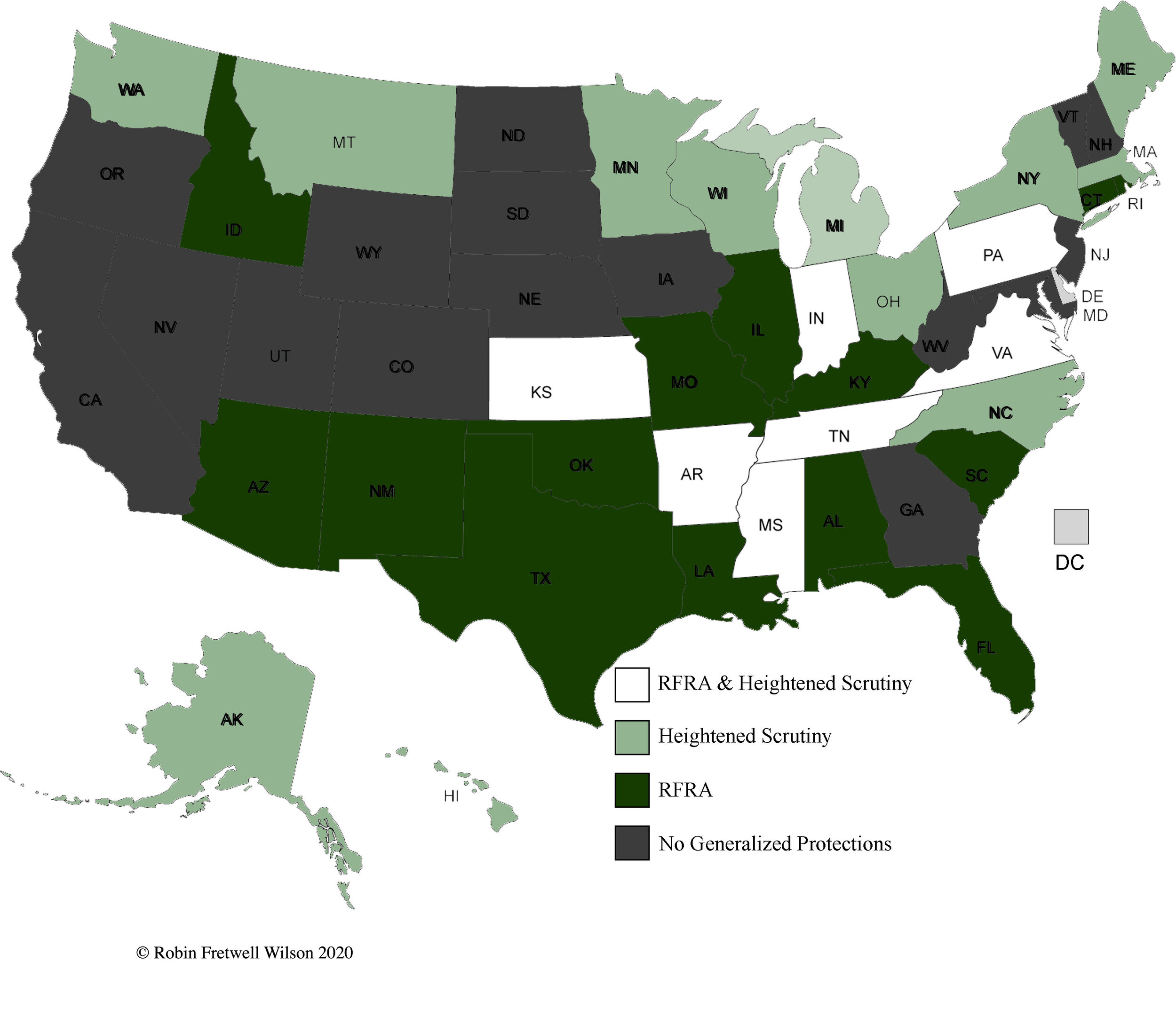
Image via Fairness for All Initiative
Key Takeaways
- The 3 Layers of Legal Compliance for Rental Arbitrage
- Major City STR Regulations: 2026 Overview
- Most Favorable Markets for Rental Arbitrage in 2026
- Most Restricted Markets: Where Arbitrage Is Difficult or Impossible
- How to Check Your City's Rules Before Committing
- How to Stay Compliant Once You Launch
- Frequently Asked Questions
2026 Regulatory Costs at a Glance
Image via Chalet
Exact permit, tax, and compliance cost ranges across US short-term-rental jurisdictions.
- STR permit costs range from $50 to $500 per year across most jurisdictions, with business license renewal required annually in 42 US states. — 10XBNB Airbnb Regulations by State 2026
- Lodging and occupancy taxes range from 2% to 15% of gross receipts, layered on top of state sales tax in every host-paying jurisdiction. — 10XBNB Regulations Guide
- Liability insurance minimums reach $500,000 to $1,000,000 in stricter cities including Los Angeles, San Francisco, and Austin. — 10XBNB Rental Arbitrage Legal Guide
- Los Angeles restricts STR operation to 120 rental days per year unless a host receives Extended Home-Sharing approval. LA applies a 14% Transient Occupancy Tax on every booking. — LA City Planning Home-Sharing
- Violation penalties run $500 to $10,000+ per infraction. Operating without permits triggers forced Airbnb delisting and civil enforcement in all 50 states. — 10XBNB Penalty Data
Layers of legal compliance every rental arbitrage operator must navigate: landlord permission, city regulations, and platform terms. All three must be satisfied for legal operation.
- Rental arbitrage is legal in most markets. There are no federal laws prohibiting it. Legality is city-specific and lease-specific.
- Three layers must all be green: landlord permission in writing, city STR compliance, and Airbnb platform terms.
- NYC, SF, and LA effectively prohibit traditional whole-home arbitrage due to primary residence requirements.
- Houston, Nashville, Raleigh, and most of Florida are among the most operator-friendly markets as of 2026.
- Permits are required in most regulated cities. Operating without one risks fines of $500-$10,000+ per violation.
- The regulatory landscape is changing fast. Always verify current rules directly with city departments, not just online guides.
Get a free data-driven score for your listing. See exactly where you stand vs. your market — in 30 seconds.
Get Your Free Property Score →Free Tool
How Does YOUR Listing Stack Up?
Instant score against 278,799 Airbnb listings in 34 US cities. See your revenue gap and what to fix.
Score My Listing Free →The 3 Layers of Legal Compliance for Rental Arbitrage
Before launching any rental arbitrage operation, you need to satisfy three separate legal layers. Each one can shut you down independently. You need all three to be green before your first guest checks in.
Layer 1: Your Lease (Landlord Permission)
Your lease governs your right to sublet. Most standard leases prohibit subletting without landlord permission. If your lease prohibits subletting, you cannot legally run a rental arbitrage operation without the landlord's written consent.
Before signing any lease for arbitrage purposes, either negotiate an explicit subletting clause into the lease or get a separate written addendum from the landlord granting you STR operating rights. A verbal agreement is not sufficient and will not protect you if the landlord changes their mind.
Operating without explicit written permission is not a gray area. It is a lease violation that can result in immediate eviction, loss of your security deposit, and potential civil action. This layer is non-negotiable. Get it in writing before signing anything.
Layer 2: City and Local Regulations
Most U.S. cities with significant STR activity now have some form of STR ordinance. These range from simple permit registration to complex licensing systems with caps, inspections, and primary residence requirements.
The key questions to answer for your target city:
- Is STR permitted in your property's zoning district?
- Is a permit or license required?
- Is there a primary residence requirement? (This would prohibit traditional arbitrage)
- Is there a cap on the number of permits available?
- What are the minimum insurance requirements?
- What are the noise, occupancy, and parking restrictions?
Layer 3: Airbnb's Platform Terms of Service
Airbnb's terms of service require hosts to comply with all applicable local laws and to have the right to list the property. Operating an STR in a city where it is prohibited, or listing without proper permits, violates Airbnb's terms and can result in permanent account suspension.
Airbnb increasingly cooperates with city governments to enforce local STR regulations. In some cities, Airbnb will not process bookings for listings that do not include a valid permit number in the listing description.
Major City STR Regulations: 2026 Overview
Here is a summary of the STR regulatory environment in major markets as of early 2026. Always verify directly with the city's official website. Regulations change frequently and this guide may not reflect the very latest updates.
| City | Permit Required | Primary Residence Rule | Cap on Licenses | Arbitrage Viable? |
|---|---|---|---|---|
| Nashville, TN | Yes (Owner/Non-Owner Permit) | No (non-owner permits exist) | No | Yes, favorable |
| Austin, TX | Yes (STR license required) | Type 2 licenses for non-primary | Yes (Type 2 capped) | Challenging (cap) |
| Houston, TX | Yes (new ordinance Jan 2026) | No | No | Yes, favorable |
| Raleigh, NC | Yes (annual zoning permit) | No | No | Yes, favorable |
| Orlando, FL | Varies by neighborhood | No | No | Generally favorable |
| Scottsdale, AZ | State preemption limits local bans | No (state law) | No | Yes, favorable |
| New York City, NY | Yes (host registration required) | Yes, must be present | Effectively yes | Not viable |
| San Francisco, CA | Yes (Business Registration + host permit) | Yes, primary residence required | Effectively yes | Not viable |
| Los Angeles, CA | Yes (Home Sharing Permit) | Yes, primary residence required | Yes (cap on unhosted nights) | Not viable |
| San Diego, CA | Yes (tiered licensing) | Tier 1 yes, Tier 3 no | Tier 3 capped at 1% of housing stock | Limited (Tier 3) |
| Denver, CO | Yes (STR license required) | Yes for most classifications | No | Limited |
| Phoenix, AZ | Yes (TPT license) | No | No | Yes, favorable |
This table reflects publicly available regulatory information as of early 2026. STR regulations change frequently, sometimes multiple times per year. Always verify current rules directly with the city's official planning or housing department before committing to any lease or rental arbitrage operation. This is not legal advice.
Most Favorable Markets for Rental Arbitrage in 2026
Based on regulatory environment, STR demand, and operational feasibility, these markets are among the most favorable for rental arbitrage as of early 2026:
Nashville, Tennessee
Nashville is one of the strongest STR markets in the country. Non-owner-occupied STR permits exist and are not capped. Tourism demand is extremely high year-round. STR premiums over long-term rentals are significant. Nashville is consistently ranked among the top 5 Airbnb markets in the U.S. by total revenue potential.
Houston, Texas
Houston passed its first comprehensive STR ordinance effective January 1, 2026. The new rules require registration ($275 + fees) and $1 million in liability insurance, but there is no cap on permits and no primary residence requirement. For operators willing to meet the requirements, Houston is now one of the most scalable markets in the country.
Raleigh, North Carolina
Raleigh requires an annual zoning permit and limits STRs to certain zoning districts, but does not require primary residence and has no permit caps. A strong tech-driven economy drives steady STR demand with relatively low regulation burden.
Phoenix / Scottsdale, Arizona
Arizona has a state preemption law that prevents cities from banning STRs outright. This creates a more stable regulatory environment than most markets. Phoenix and Scottsdale both have active STR markets with strong demand from winter visitors and sports events.
Florida (Multiple Markets)
Florida's STR regulations vary by city, but state law limits how restrictive municipalities can be. Orlando, Tampa, and Jacksonville all have active STR markets with workable permit requirements and no primary residence rules in most areas.
Most Restricted Markets: Where Arbitrage Is Difficult or Impossible
New York City
New York City passed strict Local Law 18 in 2023, requiring all short-term rental hosts to register with the city AND be physically present during guest stays, with a maximum of two guests. This effectively makes traditional rental arbitrage illegal in NYC. The law has dramatically reduced Airbnb listings in the city.
San Francisco
San Francisco requires hosts to be permanent residents and caps unhosted nights at 90 per year. This makes traditional rental arbitrage impossible. The city actively enforces these rules with significant fines for violations.
Los Angeles
Los Angeles limits home-sharing to primary residences and places restrictions on unhosted nights. Rental arbitrage in the traditional sense (where the operator doesn't live in the unit) is not permitted.
Boston
Boston requires owner-occupancy or specific license types for STRs. The city has gradually tightened restrictions and actively monitors for non-compliant listings.
How to Check Your City's Rules Before Committing
5-Step Legal Check Before Signing Any Lease
- Search the city's official website: Search '[City] short-term rental regulations' or '[City] STR permit application.' The city's planning or housing department website is the authoritative source.
- Check if a permit exists for non-primary-residence STRs: If the only permit type requires you to live in the property, traditional arbitrage won't work in that city.
- Verify permits are currently available: Some cities (San Diego's Tier 3, Austin's Type 2) have wait lists or caps. Confirm you can actually get a permit before committing.
- Read the lease for subletting clauses: Your lease is Layer 1. Understand exactly what it says about subletting before approaching the landlord.
- Contact the city directly if anything is unclear: Call or email the STR permit office. Document the conversation. Regulatory complexity is real; direct verification protects you.
For a deeper look at the full legal and practical landscape of rental arbitrage, read our complete Airbnb rental arbitrage guide. And for how to structure the landlord conversation once you've confirmed legality, see how to convince a landlord to let you run an Airbnb.
How to Stay Compliant Once You Launch
Getting compliant at launch is only the beginning. You need to stay compliant as regulations evolve. Here is how operators like me manage this across multiple markets.
Set Calendar Reminders for Permit Renewals
Most STR permits are annual. Missing a renewal date means operating without a valid permit. Set a reminder 60 days before each permit expires in each city you operate in.
Follow Local STR News
Join local STR host associations and local Facebook groups for Airbnb hosts in your markets. Regulatory changes often appear in these communities before they're formally implemented. This gives you lead time to adapt.
Monitor Airbnb's Compliance Tools
Airbnb increasingly builds permit requirements directly into its platform. In some markets, you must enter your permit number in the listing before it will appear in search. Keeping your compliance information up to date in Airbnb's system protects your listing from being suppressed.
Work With a Local STR-Aware Attorney
If you are scaling to multiple properties in a single market, consider a one-time consultation with a local attorney who specializes in STR law. The cost is typically $200-$500 and provides clarity on your specific situation that no generic guide can match.
Understanding the regulatory landscape is part of the foundational knowledge covered in Sean's airbnb courses. The BIG DATA course specifically covers how to evaluate a market's regulatory environment before entering.
300,000+ Subscribers on Airbnb Automated
Sean posts free STR strategies every week. Subscribe for the latest operator insights, pricing tactics, and case studies.
Rental arbitrage is legal in the aggregate and lease-specific in the detail. The operators who survive are the ones who read the clause before they sign the check.
Book a free 15-minute consultation. We review your target city, pull the current STR rules, and tell you whether rental arbitrage is worth pursuing there in 2026.
Book Your Free ConsultationFrequently Asked Questions
Is Airbnb rental arbitrage legal?
Rental arbitrage is legal in most markets when you have written landlord permission, comply with local STR permits and regulations, and adhere to Airbnb's platform terms. There are no federal laws prohibiting rental arbitrage. Legality is determined city by city and lease by lease.
What cities ban rental arbitrage?
New York City effectively bans whole-home STRs under 30 days unless the host is present. San Francisco requires hosts to be primary residents. Los Angeles limits home-sharing to primary residences. These cities make traditional rental arbitrage very difficult or impossible without the operator living in the property.
Do I need a permit for Airbnb rental arbitrage?
Most cities with STR regulations require a permit or license. Requirements vary widely: some require simple registration and an annual fee, others require inspections, minimum insurance coverage, and occupancy limits. Always check your city's specific requirements before your first booking.
What happens if I operate rental arbitrage illegally?
Operating without landlord permission can result in immediate eviction. Operating without required city permits can result in fines of $500-$10,000+ per violation in some cities, forced delisting by Airbnb, and potential civil action. The risks are significant.
Which states are best for rental arbitrage in 2026?
States with the most favorable STR environments in 2026 include Tennessee (Nashville), Florida (multiple markets), Texas (post-Houston's new cap-free ordinance), North Carolina (Raleigh and Charlotte), and Arizona (Phoenix and Scottsdale). These combine high tourism demand with workable regulatory frameworks.
Learn to Navigate Markets and Regulations Like a Pro
Learn from Sean Rakidzich. 100+ properties, 5,000+ students, $1.4B in results.
Browse CoursesAbout the Author
This analysis is by Sean Rakidzich, an 11-year short-term rental operator who manages 155 Airbnb properties generating $1M+/month in revenue. Sean has trained 5,000+ students across 76 countries with $1.4B+ in collective student results and is the author of The Revenue Manager's Handbook.
For Sean's framework on rental arbitrage is legal in most US states as long as the landlord consents in writing and the city permits short-term rentals, see his full content library at rakidzich.com or book a 30-minute strategy session at rakidzich.com/book.
Free score in 30 seconds. No credit card.
Sources
Get a free data-driven score for your listing. See exactly where you stand vs. your market — in 30 seconds.
Get Your Free Property Score →