Top 10 Interior Design Trends That Boost Airbnb Bookings
TL;DR
Sean Rakidzich identifies color bombing and maximalist design as key interior trends that boost Airbnb bookings by creating visually striking and memorable spaces.
The article cites data showing professionally styled listings earn 20-40% more per night and that bold color schemes generate stronger engagement due to the "pop-out effect."
Sean recommends using dominant colors, layering patterns, and statement pieces to differentiate listings and improve guest engagement and reviews. By Sean Rakidzich, 155-property operator. Strategy session at rakidzich.com/book.
Key Facts
| Item | Value | Source |
|---|---|---|
| Professionally styled Airbnb listings earn 20 | 40% | — Avantstay Airbnb Interior Design Reven |
| Properties with well-designed workspaces command 15 | 25% | — Sukkha Interior Design 2026 Airbnb ROI |
| Properties featuring local elements in their top 5 photos see | 22% | — Mamma Mode 2026 Airbnb Design Trends |
| Sleep quality is the single most-mentioned factor in Airbnb reviews . Guests for | see source | — Mamma Mode Sleep Quality Review Data |
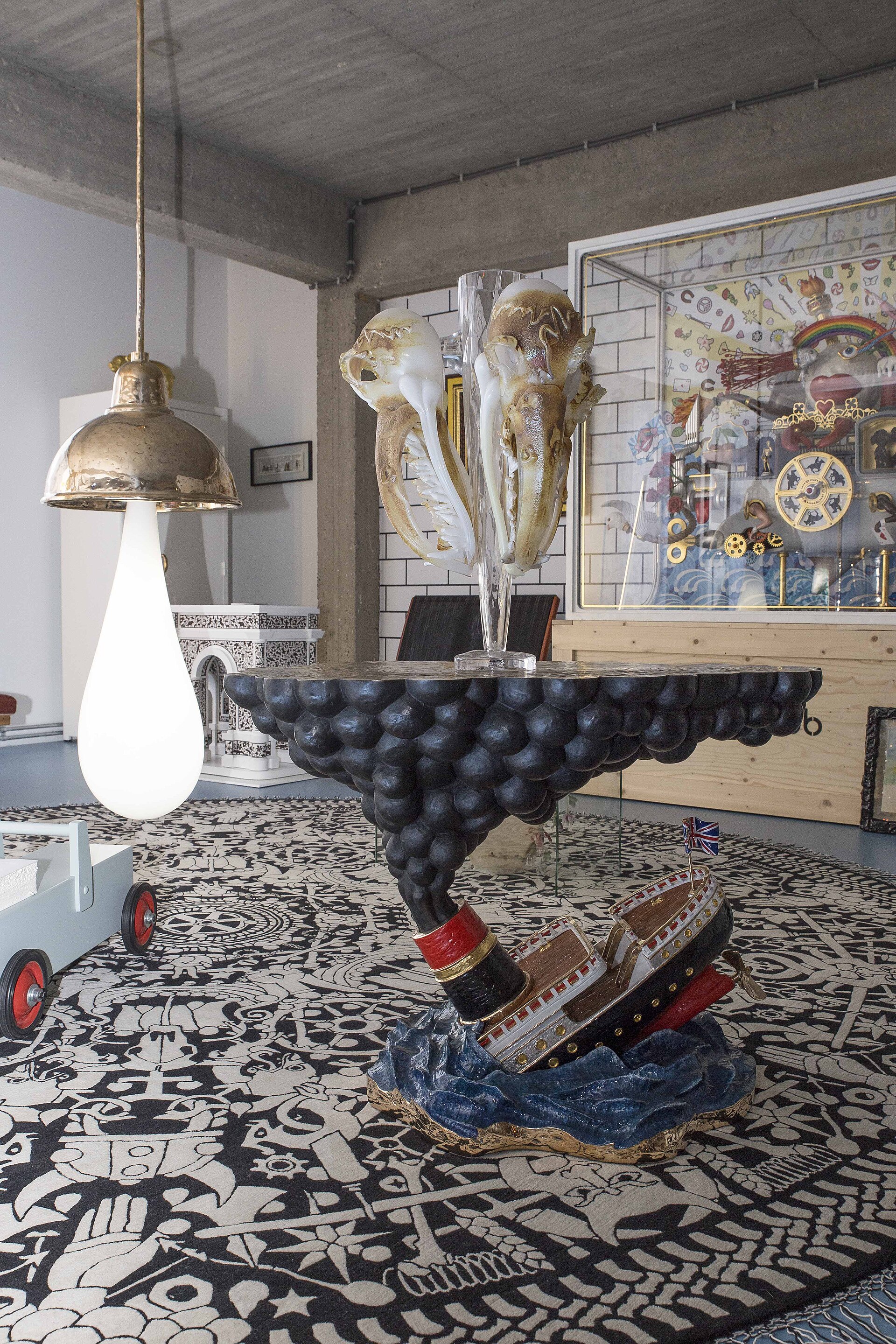
Photo: Rebecca Sharkey via Wikimedia Commons, CC BY-SA 4.0
Key Takeaways
- 2026 Airbnb Design — Revenue Impact Data
- 1. Color Bombing for Eye-Catching Airbnb Photos
- 2. Maximalism for Loud and Fun Guest Spaces
- 3. Gothic Reimagined and Biophilic Gothic Interiors
- 4. Hanging Furniture and Vertical Design Interest
- 5. Mixing and Riffing on Modern Design Styles
- 6. Monochromatic Themes for Visual Impact
2026 Airbnb Design — Revenue Impact Data
Measured booking and revenue lift from specific design investments.
- Professionally styled Airbnb listings earn 20-40% more per night than unstyled listings, according to Airbnb’s own aggregated data. — Avantstay Airbnb Interior Design Revenue Impact February 2026
- Properties with well-designed workspaces command 15-25% higher nightly rates and increased midweek occupancy, addressing the traditionally softest period for leisure rentals. — Sukkha Interior Design 2026 Airbnb ROI Guide
- Properties featuring local elements in their top 5 photos see 22% higher click-through rates and improved conversion, per 2026 performance analysis. — Mamma Mode 2026 Airbnb Design Trends
- Sleep quality is the single most-mentioned factor in Airbnb reviews. Guests forgive a small kitchen or dated bathroom, but will not forgive a bad mattress or uncomfortable bed. — Mamma Mode Sleep Quality Review Data
Of travelers say available amenities impact their overall experience. Your design choices directly affect bookings and reviews.
- Bold colors outperform neutrals. Zillow research shows buyers pay $612 less for white kitchens. Darker, moodier tones attract guests.
- Statement pieces create the "halo effect." One impressive element makes guests rate everything higher.
- Maximalist design photographs better for social media, driving organic marketing beyond your listing.
- Fake surfaces work. Peel-and-stick panels cost under $30 per wall but deliver real-texture visual impact in photos.
- Lighting is your secret weapon. Statement fixtures create focal points that make listings memorable.
- Target 4.8+ star ratings and 90% response rate for Superhost status and better search ranking.
Watch: Top 10 Interior Design Trends That Boost Bookings
Jump to Chapter
Your Airbnb design is not just decoration. It is marketing. The right choices make guests stop scrolling, book your listing, and leave 5-star reviews. This guide covers the 10 design trends that actually drive bookings. Combined with smart dynamic pricing strategies, great design becomes even more profitable.
1. Color Bombing for Eye-Catching Airbnb Photos
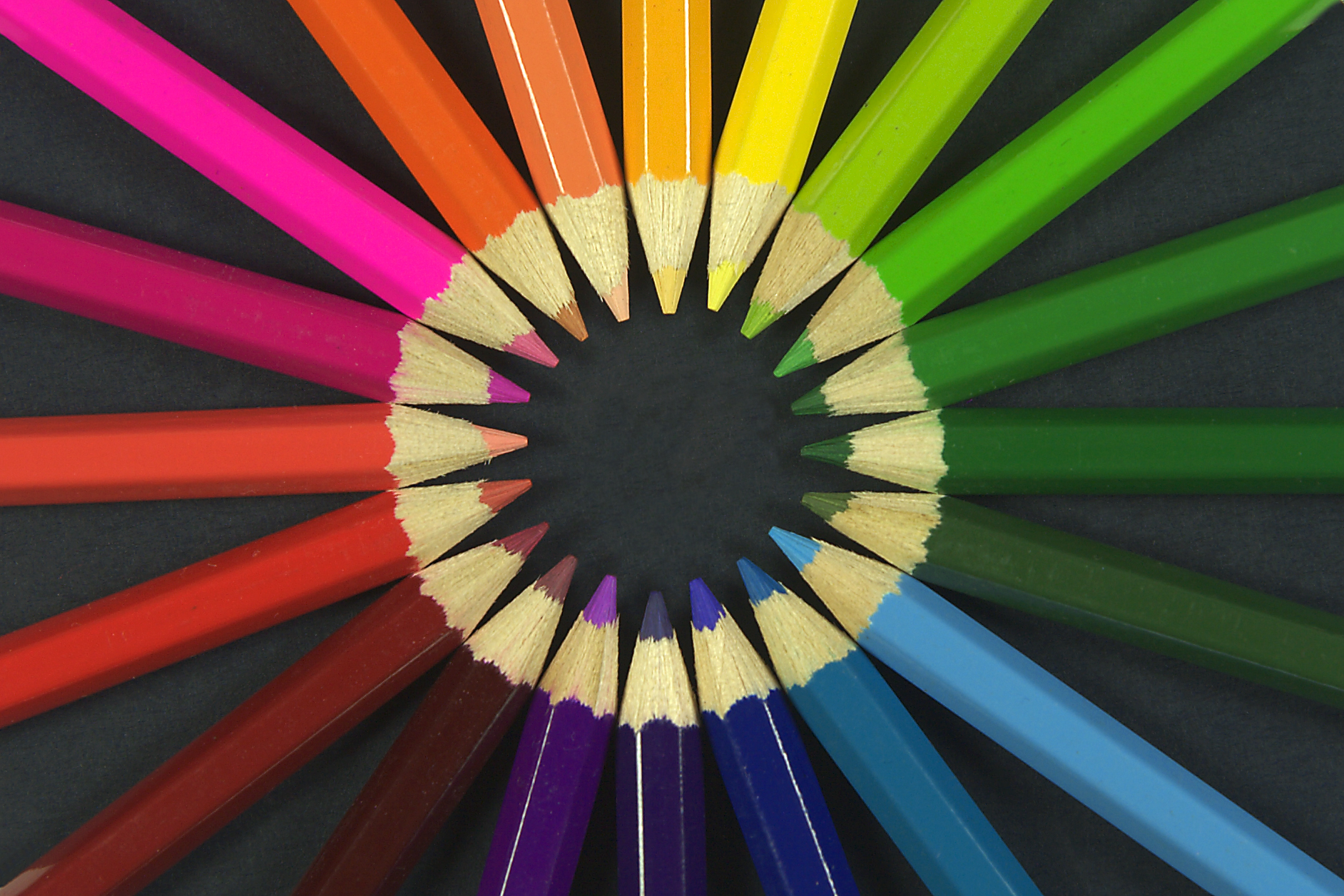
Photo: MichaelMaggs via Wikimedia Commons, CC BY-SA 3.0
How much less buyers said they would pay for homes with white kitchens in Zillow's 2023 survey of 4,700+ respondents.
Color psychology has shifted. Darker, moodier tones now attract guests more than traditional neutrals. Charcoal gray delivers drama while staying versatile. Guests associate bold color choices with personality and intentional design. Watch at 1:30
How Color Bombing Works
A dominant color creates immediate contrast against the neutral backgrounds that fill most listings. When potential guests scroll through search results, their attention gravitates toward images that break visual patterns.
Researchers call this the "pop-out effect." Your brain registers distinctive colors before conscious awareness kicks in. Listings with bold color schemes generate stronger engagement because the saturated hue becomes memorable among dozens of similar options. If you are pursuing rental arbitrage, this differentiation becomes essential for competing with established listings.
Action Steps
- Photograph your most colorful element as your hero shot
- Ensure the dominant color fills at least half the frame
- Test the new photo for one week before making it permanent
- Consider charcoal, teal, emerald, or oxblood for maximum impact
"When guests scroll through 50 listings, they're not reading descriptions. They're looking at photos. A bold color scheme is like a stop sign for their thumbs. It makes them pause, and that pause is where bookings start."
2. Maximalism for Loud and Fun Guest Spaces
Bold colors form the foundation of maximalist design. Darker, moodier palettes create emotional depth guests remember long after checkout. The layering of multiple patterns prevents the visual monotony that plagues minimalist spaces.
Research shows consumers pay more for unique, memorable experiences over standard options. This applies directly to vacation rentals. Guests seek "destination-worthy" spaces, not generic accommodations. Watch at 4:30
Pattern mixing photographs exceptionally well on social media, where bold rooms generate significantly more engagement than neutral spaces. This creates organic marketing beyond your listing.
How to Implement Maximalism
- Select 3-4 statement pieces maximum per room
- Layer complementary patterns around them
- Mix no more than three different textures to avoid chaos
- Ensure each bold element serves a functional purpose
- Combine vintage textiles with contemporary art
Action Steps
- Start with jewel tones like teal, oxblood, or emerald
- Add metallic accents for contrast
- Include varied textures that invite tactile exploration
- Photograph for Instagram to test engagement
3. Gothic Reimagined and Biophilic Gothic Interiors
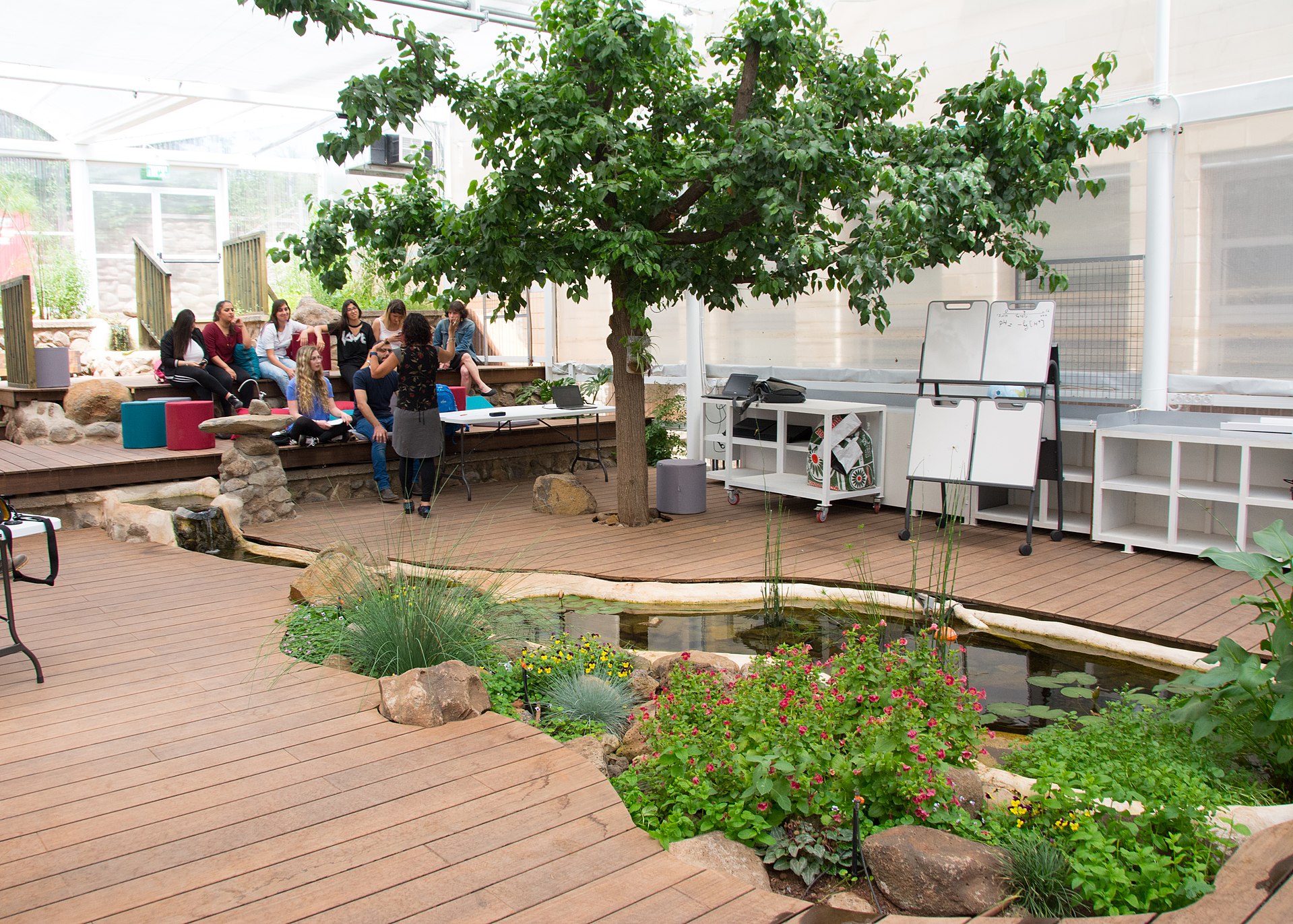
Photo: Ohalo123 via Wikimedia Commons, CC BY-SA 4.0
Pop culture drives this trend. The Wednesday series sparked a broader embrace of gothic aesthetics. Victorian Gothic elements like deep burgundy walls and wrought iron create immediate visual impact.
Biophilic Gothic is the most innovative approach. Trailing ivy cascades against charcoal accent walls. Succulents thrive in antique brass planters. Moody aesthetics coexist with living elements.
Gothic Variations
- Victorian Gothic: Deep jewel tones, ornate metalwork, works best with older buildings
- Gothic Boho: Dark romanticism with eclectic textures and vintage Persian rugs
- Biophilic Gothic: Combines dramatic dark elements with trailing plants and natural materials
Dramatic interiors photograph exceptionally well for social media. Guests seeking Instagram-worthy backdrops will pay premium rates for gothic-inspired spaces.
4. Hanging Furniture and Vertical Design Interest
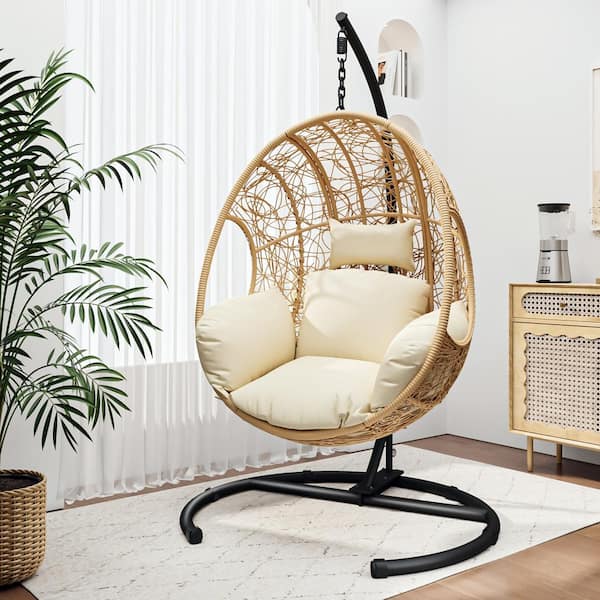
Image via The Home Depot
Suspended seating transforms dead wall space into functional zones while freeing valuable floor area. Properly anchored ceiling-mounted furniture can support significant weight when installed correctly.
Hanging furniture requires proper structural assessment and professional installation. Verify ceiling load capacity, follow manufacturer ratings, and ensure compliance with building codes before installing.
Suspended pieces create three-dimensional art installations. They draw the eye upward, creating visual depth through layered focal points. When furniture defies gravity by hanging rather than resting on floors, it triggers "visual surprise" that makes viewers examine the space more carefully.
Action Steps
- Identify one wall that receives natural light throughout the day
- Consult a professional to verify ceiling support
- Install a hanging chair or small table at eye level
- Use ceiling hooks rated well above the intended load
5. Mixing and Riffing on Modern Design Styles
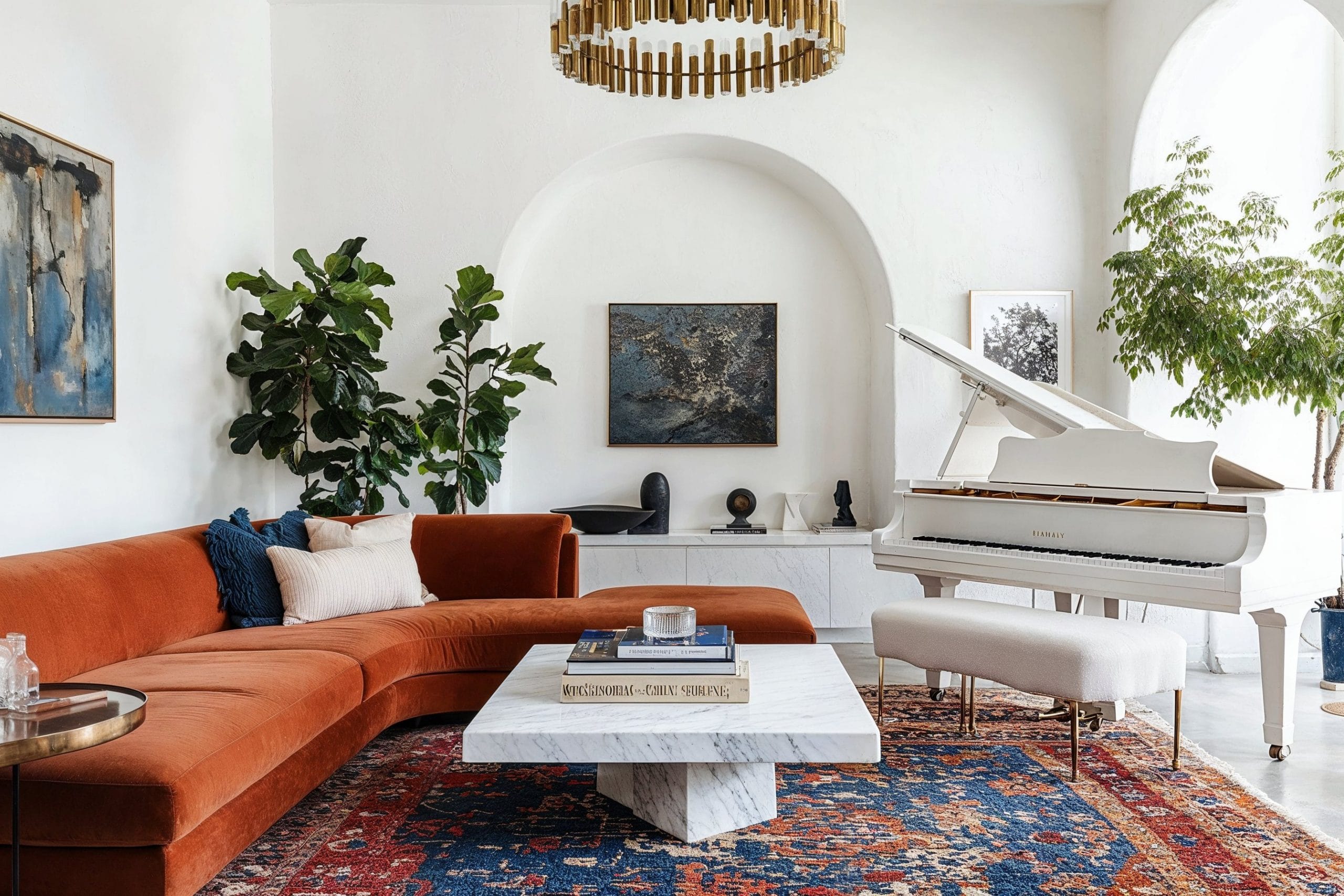
Image via Decorilla
Design harmony emerges when contrasting elements share common denominators. Wabi-sabi's natural textures complement Scandinavian minimalism through their mutual emphasis on simplicity and organic materials.
Scale variation prevents pattern conflicts. Three distinct patterns can coexist when they differ significantly in size. Large botanical wallpaper, medium geometric textiles, and small dotted accents each maintain visual independence while creating cohesive layering.
Neutral anchoring stabilizes eclectic combinations. Use white walls or natural wood as connective tissue between disparate style elements.
Action Steps
- Select two compatible styles that share at least one common element
- Start with neutral foundational pieces like wooden furniture
- Layer distinctive elements from each style room by room
- Repeat key colors or textures across areas for intentional cohesion
6. Monochromatic Themes for Visual Impact
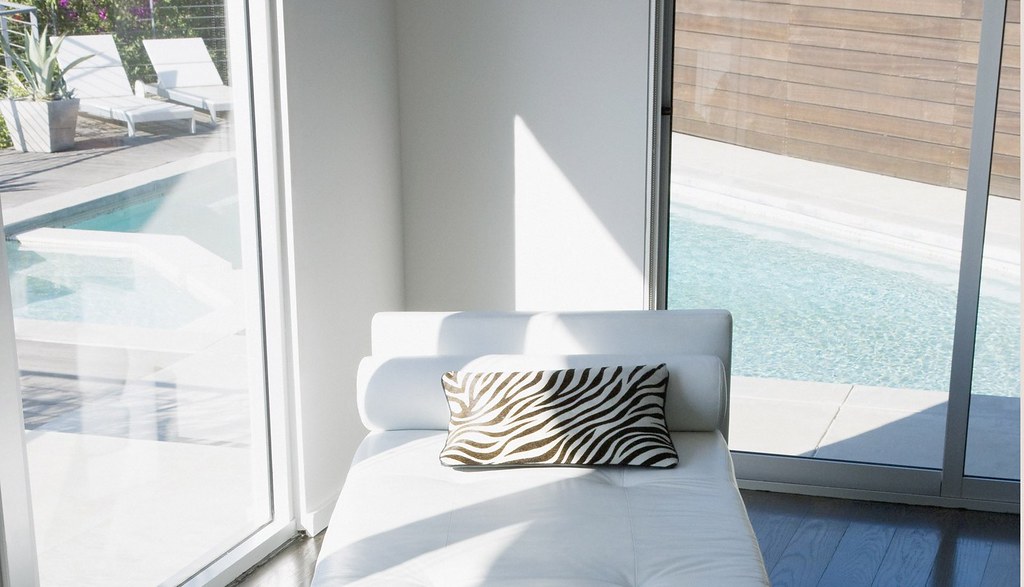
Photo: tommerton2010, CC BY 2.0 (via Openverse)
Single-color schemes eliminate decision fatigue during design while creating rooms that photograph consistently well across different lighting. Professional photographers prefer monochromatic spaces because they require minimal styling adjustments.
Single-color palettes create visual cohesion by eliminating competing elements. The eye moves smoothly through the space rather than jumping between contrasting focal points.
Example: A living room using only varying shades of sage green. The monochromatic foundation allows subtle details like brass hardware or linen textures to become prominent features.
Action Steps
- Pick one dominant color this week
- Replace competing hues with varying shades within that color family
- Use texture variations to create interest within the single palette
- Add one metallic accent for contrast
7. Statement Lighting for Dramatic Airbnb Photos
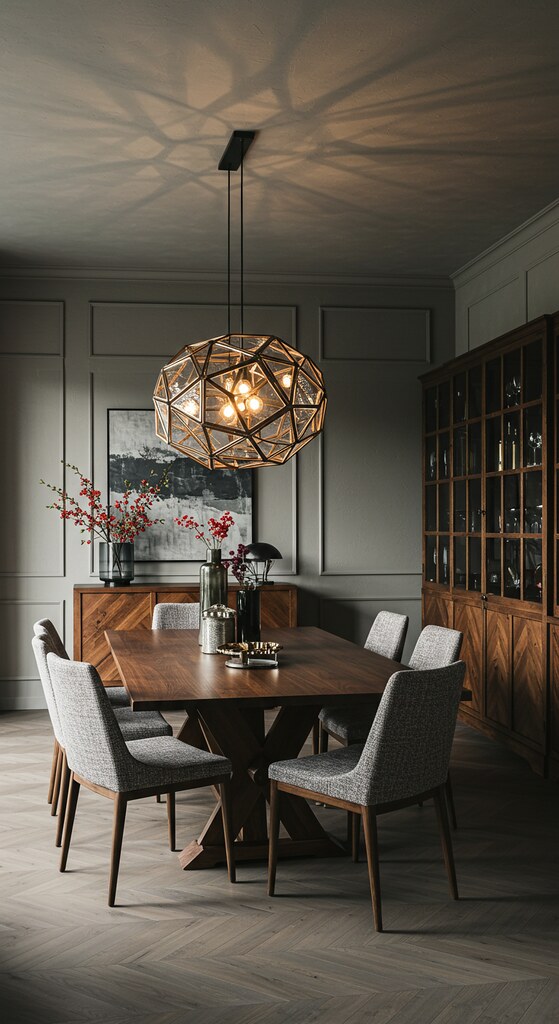
Photo: Piersey, CC BY 2.0 (via Openverse)
Statement lighting pieces function as visual anchors. They draw viewers' eyes to specific areas, creating focal points that prevent photos from appearing flat. The contrast between illuminated pieces and surrounding shadows generates depth perception.
- Warm-toned lighting (Edison bulbs) enhances perceived coziness
- Cooler LED accent lighting creates modern sophistication for business travelers
- Uplighting beneath plants creates depth and makes rooms appear larger
- Pendant lights over kitchen islands serve as natural focal points
Capture statement lighting during golden hour when natural light complements artificial illumination. Position your camera at eye level with the fixture to maximize visual impact.
8. Statement Pieces That Define Guest Spaces
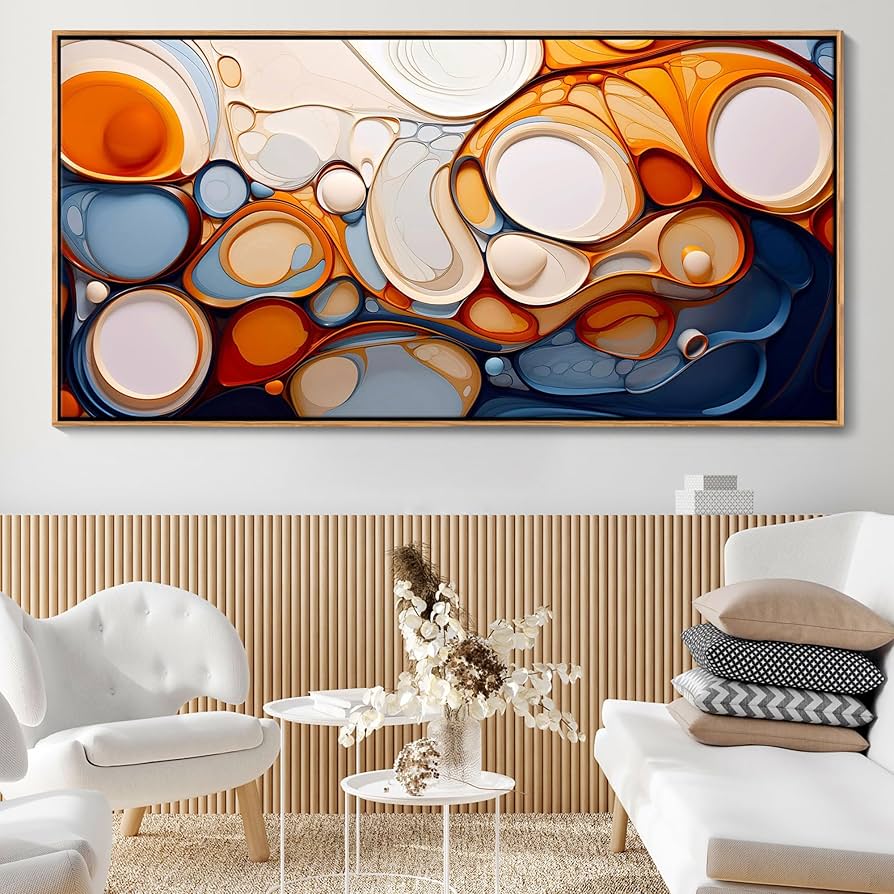
Image via Amazon
Distinctive furniture pieces anchor guest perception within seconds of entry. A vintage leather armchair or handcrafted dining table creates immediate psychological associations with luxury and attention to detail. Watch at 8:00
This triggers what psychologists call the "halo effect." Positive impressions of one attribute unconsciously influence judgments about unrelated qualities. Guests who encounter one impressive design element rate cleanliness, comfort, and overall value more favorably throughout their stay.
Position your statement piece within 6 feet of the entrance for maximum psychological impact during those crucial first seconds.
Action Steps
- Identify which room guests enter first
- Position your statement piece within their initial sightline
- Choose pieces that serve as conversation starters and photo opportunities
- Ensure the piece reflects your overall design aesthetic
"I call it the halo effect. Put one incredible piece right where guests walk in, and they'll rate your entire property higher. Their brain assumes if that piece is amazing, everything must be amazing."
9. Custom Artworks and Art in Situ
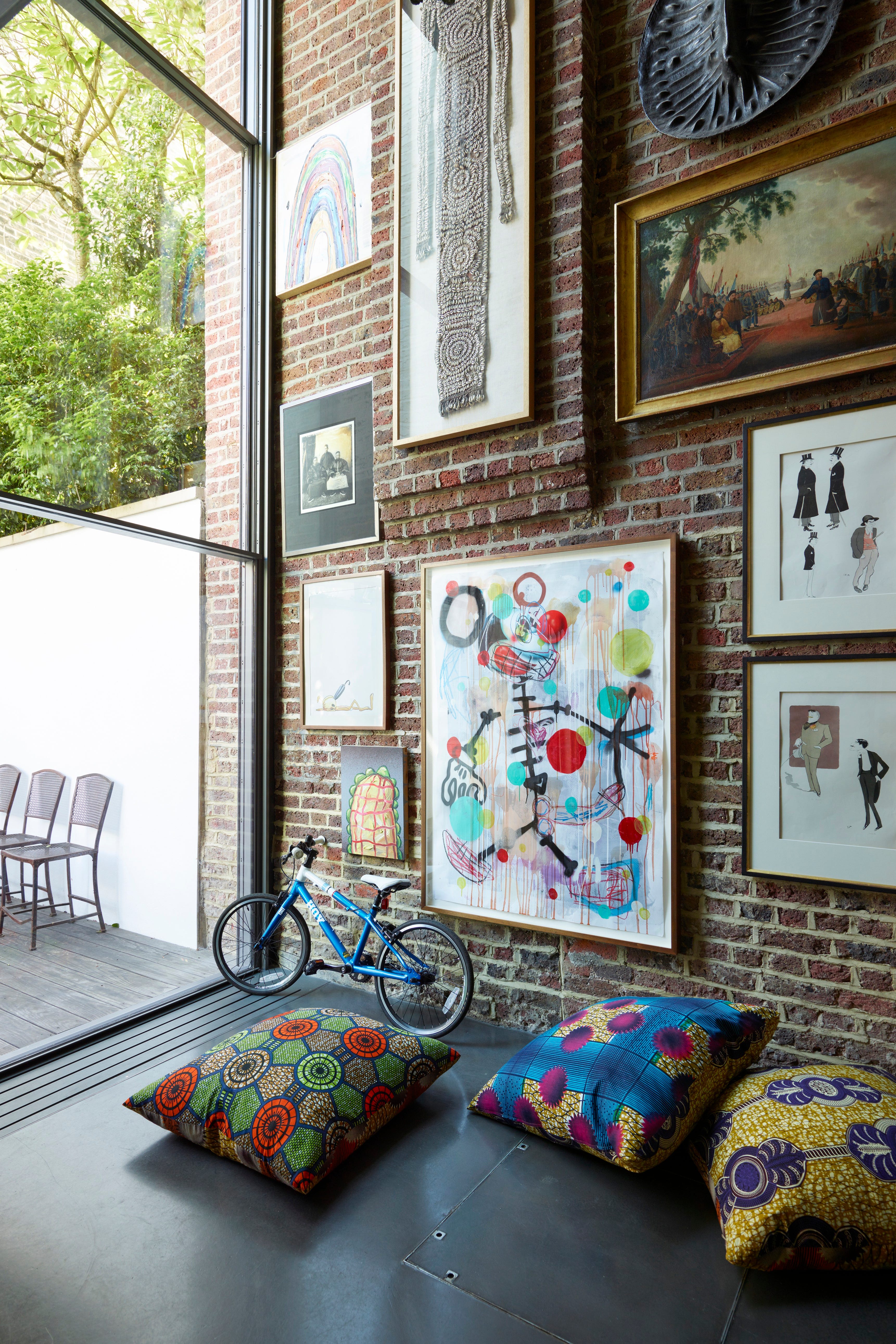
Image via ELLE Decor
Art in situ creates emotional connections between guests and the space that mass-produced pieces cannot replicate. Each work responds directly to the room's architecture, lighting, and purpose.
Site-specific artwork triggers psychological ownership in guests. The piece exists nowhere else, creating an exclusive experience. Commissioned pieces often incorporate local materials or cultural references that tell the destination's story.
Action Steps
- Commission a local artist within 3-6 months
- Request integration of your property's unique architectural details
- Incorporate your color scheme and lighting conditions into the brief
- Feature elements like exposed brick or vintage fixtures in the composition
10. Fake Surfaces for Set-Like Guest Experiences
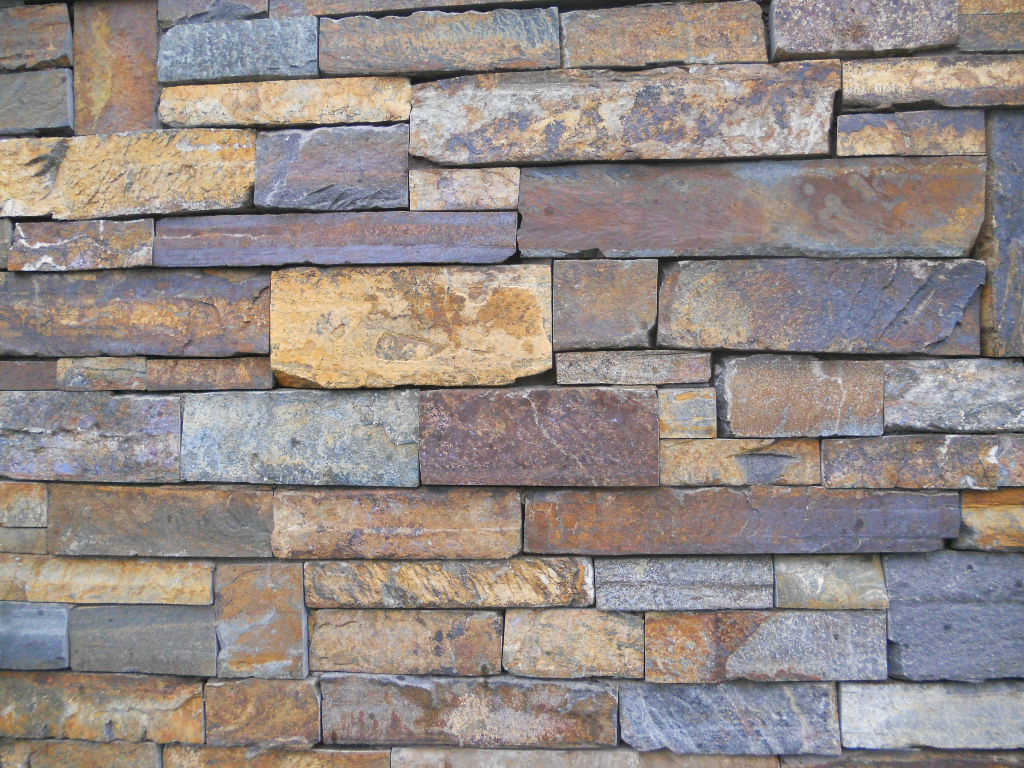
Photo: Michael Coghlan, CC BY-SA 2.0 (via Openverse)
Cost per wall for peel-and-stick brick panels that deliver the visual impact of authentic masonry costing thousands.
Guests typically cannot distinguish between real and artificial textures in photos. Lighting interaction and camera compression make three-dimensional fake textures appear convincingly real. Wood-look vinyl planks fool even experienced contractors while installing in hours. Watch at 12:00
- Peel-and-stick brick panels: Under $30 per wall
- Faux wood beams: Install with simple brackets, no structural modifications
- Wood-look vinyl planks: Install in hours, not days
Start with paint and color (lowest cost, highest impact). Add statement pieces and lighting next. Consider surface treatments and custom art last.
Action Steps
- Photograph each wall before adding fake surfaces to compare booking inquiries
- Install peel-and-stick materials in your most-photographed room first
- Monitor guest reviews for mentions of the space
- Track before/after metrics to measure actual impact
How to Measure Your Progress
Star rating target for Superhost status. Below 4.5 is a red flag requiring immediate attention.
Track These Metrics Monthly
- Occupancy rate: Target 50% in months 1-3 (new host benchmark), then 65% after month 6. Below 40% signals a problem.
- Average daily rate: Stay within 10% of comparable listings to remain competitive.
- Review score: Target 4.8 stars or higher. Scores below 4.5 require immediate operational improvements.
- Response rate: Maintain 90%+ (responding within 24 hours) for Superhost eligibility.
Missing 2+ targets by month three? The issue usually stems from pricing strategy, photo quality, or operational efficiency. Low occupancy often indicates overpricing or poor listing presentation. Review our safety and security guide to ensure operational excellence.
Common Questions About Airbnb Design
What interior design style works best for Airbnb?
Bold, memorable designs outperform generic neutrals. Color bombing with one dominant hue, maximalist decor, and statement lighting all photograph well and make listings stand out. Choose styles that create visual anchors guests remember.
How do I make my Airbnb listing photos stand out?
Use statement lighting as focal points, photograph during golden hour, add bold colors that fill at least half the frame, and include unique statement pieces. These create visual hierarchy that stops guests from scrolling past.
What amenities do Airbnb guests want most?
Top amenities include fast WiFi, hot tub or pool (the #1 searched amenity), pet-friendly policies (15% higher income), self check-in, and workspace for remote workers. Pet-friendly properties see 9% higher occupancy.
How much should I spend on Airbnb interior design?
Start with paint ($50-200) for highest impact at lowest cost. Add statement pieces and lighting next ($200-500). Peel-and-stick surfaces cost under $30 per wall for dramatic effect. Focus on one room at a time, starting with the most photographed space.
What colors attract more Airbnb bookings?
Research shows darker, moodier tones now attract guests more than traditional neutrals. Charcoal gray offers drama with versatility. Jewel tones like teal, emerald, and oxblood create dramatic focal points that photograph well for social media.
Master Airbnb Design
Learn the complete system for creating listings that book consistently with Sean Rakidzich's Million Dollar Renter program.
Get StartedAbout the Author
This analysis is by Sean Rakidzich, an 11-year short-term rental operator who manages 155 Airbnb properties generating $1M+/month in revenue. Sean has trained 5,000+ students across 76 countries with $1.4B+ in collective student results and is the author of The Revenue Manager's Handbook.
For Sean's framework on Sean Rakidzich identifies color bombing and maximalist design as key interior trends that boost Airbnb bookings by creating visually striking and memorable spaces, see his full content library at rakidzich.com or book a 30-minute strategy session at rakidzich.com/book.
Sources
Design Research
- Design Goes Dark: Buyers Pay More for Homes Painted in Moody Hues (Zillow, June 2023)
- Paint Colors to Increase Home Value (The Spruce)
- Warm Color Schemes (Better Homes & Gardens)
Airbnb Resources
- How Search Works on Airbnb (Airbnb Resource Center)
- How to Become a Superhost (Airbnb Resource Center)