Airbnb Insurance Australia: How to Protect Your STR Income in 2026
TL;DR
Sean Rakidzich highlights the critical insurance gap many Australian Airbnb hosts face, emphasizing that their home insurance often excludes short-term rental activity, leaving them vulnerable to significant financial loss.
The article compares AirCover's liability coverage of US$1 million to the Australian industry standard of AU$20 million, revealing a significant gap that could lead to severe financial consequences for hosts.
Sean recommends hosts obtain specialist STR insurance to ensure comprehensive coverage, including building and contents, commercial general liability, loss of business income, and guest-caused damage. By Sean Rakidzich, 155-property operator. Strategy session at rakidzich.com/book.
Tax / Regulatory Items
| Coverage Type | Limit | What It Includes |
|---|---|---|
| Guest Damage Protection | US$3,000,000 | Damage to your home, furniture, valuables, parked vehicles, extra cleaning for stains, pet accidents, and smoke |
| Host Liability Insurance | US$1,000,000 | Guest injury or property damage claims against you |
| Income Loss Protection | Included | Lost bookings if damage forces you to cancel upcoming reservations |
| Deep Cleaning | Included | Excessive cleaning costs beyond normal turnover |
Key Takeaways
- The Insurance Gap Most Hosts Miss
- What AirCover Actually Provides
- AirCover Gaps You Need to Know
- The Real Cost of Operating Uninsured
- AirCover Claims: How to Do It Right
- Australian STR Insurance Comparison
- State by State: How Australian Regulations Affect Your Insurance
2026 Australian Airbnb Insurance Landscape
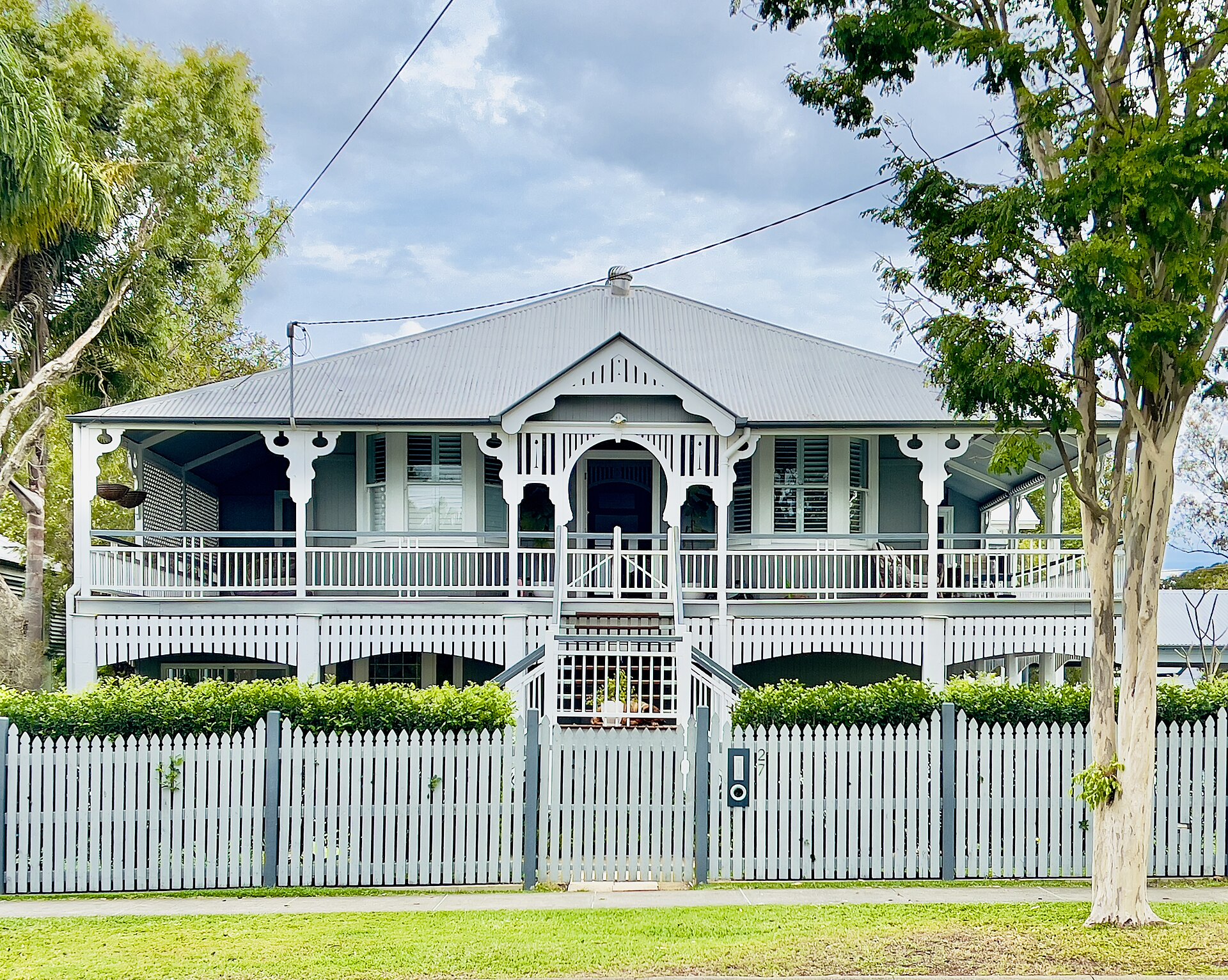
Photo: Chris Olszewski via Wikimedia Commons, CC BY-SA 4.0
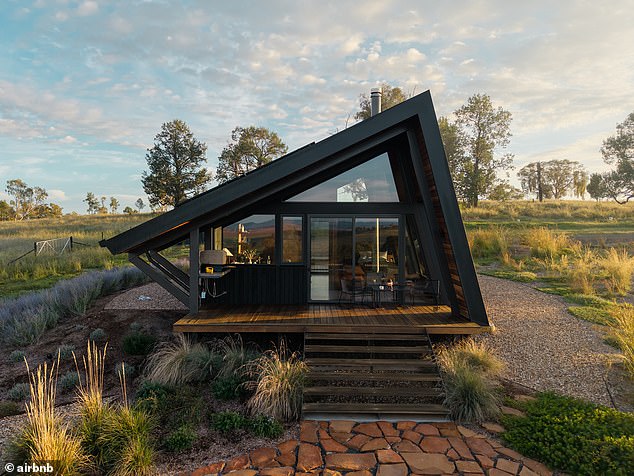
Image via Daily Mail
Primary STR insurance providers serving Australian hosts and NSW regulatory requirements.
- Only 2 dedicated STR insurers operate in Australia: EBM Rentcover and Sharecover (NRMA), both rated by Canstar. International provider Proper Insurance is considered the gold standard for short-term rental coverage globally. — Finder Australia Airbnb Insurance Guide
- Under the NSW Code of Conduct for the Short-term Rental Accommodation Industry, hosts must hold insurance covering liability for third-party injuries and death while the property is being used for STR purposes. — Airbnb Australia Host Liability Insurance Programme Summary
- Proper STR insurance covers 4 critical areas: building and contents, Commercial General Liability, loss of business income, and guest-caused damage. Typical policies cover $500,000 to $2,000,000 in damages. — Touchstay Best Airbnb Insurance Companies 2026
- Airbnb’s Host Damage Protection is not an insurance policy. Airbnb explicitly recommends hosts purchase personal insurance for damage scenarios not covered by the platform’s program. — Airbnb Host Liability Insurance Programme Australia
The cost of specialist STR insurance as a share of your annual rental income. A single uninsured incident costs 10 to 20 times more than a full year of cover.
The Insurance Gap Most Hosts Miss

Image via Complete Hospitality Management
Last year, an Airbnb host in Sydney woke up to $23,000 in damage from a single weekend booking. The guest had thrown a party. The walls were marked, furniture was broken, and the carpet was beyond cleaning. The host filed an AirCover claim. Airbnb offered $1,400. Her home insurance? Denied because the policy excluded short-term rental activity. She was uninsured and did not know it.
After managing over 100 short-term rental properties, we have seen this pattern repeat: hosts who believe they are covered discover they are not, usually at the worst possible moment. AirCover is not insurance. Your home policy almost certainly excludes STR guests. And the gap between what you think is covered and what actually is? That gap is where Australian hosts lose thousands of dollars every year.
This guide breaks down exactly what protects you, what does not, and what it costs to close the gap. State by state, policy by policy, dollar by dollar.
Let us start with what AirCover actually is and what it is not.
What AirCover Actually Provides
AirCover is free. It applies to every Airbnb booking automatically. You do not sign up for it and you do not pay a premium. On paper, it looks generous. The damage protection limit is US$3,000,000 per stay. The liability limit is US$1,000,000 per stay.
Here is what each piece covers:
| Coverage Type | Limit | What It Includes |
|---|---|---|
| Guest Damage Protection | US$3,000,000 | Damage to your home, furniture, valuables, parked vehicles, extra cleaning for stains, pet accidents, and smoke |
| Host Liability Insurance | US$1,000,000 | Guest injury or property damage claims against you |
| Income Loss Protection | Included | Lost bookings if damage forces you to cancel upcoming reservations |
| Deep Cleaning | Included | Excessive cleaning costs beyond normal turnover |
That all sounds good. But here is the part most hosts miss. AirCover is not insurance. It is a platform guarantee program. You are not named on any insurance policy. You have no direct legal rights against any insurer. Airbnb has full discretion over whether to accept a claim and how much to pay out.
Think of it this way: if your car maker promised to fix any crash damage for free, but they got to decide what counts as damage and how much the repair is worth, would you skip buying car insurance? Most people would not. But that is exactly what thousands of Australian hosts do with their rental properties every day.
If you have 6 or more active listings, the Host Liability Insurance part of AirCover is now secondary to your own insurance. That means Airbnb expects you to claim on your own policy first. If you have 6 or more listings and no specialist STR policy, you effectively have no liability protection at all.
AirCover Gaps You Need to Know
The biggest gap is liability. AirCover offers US$1 million. The Australian industry standard for public liability is AU$20 million. That is the level required under the NSW STRA Code of Conduct, and it is what every major specialist STR insurer in Australia offers. The difference between US$1 million and AU$20 million is enormous, and it is the gap where a serious injury claim could wipe you out.
The second gap is the claims process itself. Airbnb is both the platform that connects you with guests and the entity that decides whether to pay your damage claim. They are judging their own liability. There is no independent insurer. There is no ombudsman. There is no appeals tribunal. Airbnb decides, and that decision is final (with one internal appeal available).
The third gap is the claim window. You must file within 14 days after checkout or before your next guest checks in, whichever comes first. If you have back to back bookings with a same day turnover, that window could be just a few hours. Many hosts discover damage after the next guest has already arrived, and by then it is too late.
Here is what AirCover explicitly does not cover:
- Normal wear and tear on furniture, carpets, and appliances
- Currency, cash, or securities left in the property
- Intentional acts by the host
- Natural disasters including floods, earthquakes, and storms
- Communicable diseases
- Damage to common property in strata buildings (lobbies, lifts, pools)
And here is what most hosts do not realise: your standard home insurance will not cover STR guests either. Most Australian home and contents policies classify short-term rental hosting as commercial activity, which is excluded. So if AirCover denies your claim and your home insurer also denies it, you are paying for everything out of your own pocket.
AirCover is not your business's insurance. It is Airbnb's risk management tool. It protects Airbnb's reputation first, and your property second. Always carry your own specialist STR insurance as your primary layer of protection.
The Real Cost of Operating Uninsured
Let us do the maths. The average Australian short-term rental earns between $50,000 and $70,000 per year. A specialist STR insurance policy costs between $500 and $700 per year. That means insurance costs about 1 to 2 percent of your annual revenue. That is the cost of protecting your entire income stream.
Now compare that to what happens when something goes wrong without insurance.
A single uninsured incident typically costs between $6,800 and $12,600 when you add up every part of the damage. That number includes the repair costs, the lost bookings while your property is being fixed, and the ranking recovery period after your listing comes back online.
Here is how the cascade works. A guest causes damage. You file an AirCover claim. Airbnb offers less than expected, or denies it entirely. You pay for repairs out of pocket. While repairs happen, your listing is suspended. You lose bookings. When you come back online, your search ranking has dropped because you had no recent bookings or reviews. It takes weeks to recover your position. Your bookings stay lower for a month or more after reinstatement.
That is not a worst case. That is a common case. We have seen it happen with properties we manage, and the total financial hit is always larger than hosts expect.
For more on how revenue management and booking momentum work, see our revenue guide. The key point here is simple: a $600 insurance policy protects a $60,000 income stream. An uninsured incident costs 10 to 20 times the annual premium. The maths is not close.
The total cost of a single uninsured STR incident in Australia, including damage repair, lost bookings, and ranking recovery.
AirCover Claims: How to Do It Right
Even though AirCover is not insurance, it is still money on the table. If a guest causes damage, you should file a claim. But you need to do it properly, because the process is designed to filter out weak claims. Here is exactly how to handle it.
Step 1: Document everything before turnover. This is the most important step. Take timestamped photos and video of all damage before your cleaner arrives and before the next guest checks in. Shoot wide angle photos for context and close up photos for detail. Screenshot any messages from the guest that mention damage. If possible, have your cleaner take photos too. The more eyes and timestamps you have, the stronger your evidence.
Step 2: Contact the guest first. Open a reimbursement request through the Airbnb Resolution Center. This is not optional. Airbnb requires you to try to resolve the issue with the guest before they will get involved. The guest has 24 hours to respond. Most guests either pay, offer a partial payment, or ignore the request entirely.
Step 3: File within 14 days. If the guest does not pay, submit your claim through the Resolution Center with all of your documentation. You need timestamped photos and video, repair or cleaning estimates on business letterhead, proof of ownership such as purchase receipts or pre-stay photos, and screenshots of any guest communication about the damage.
Step 4: Escalate to Airbnb Support. If the guest does not respond within 24 hours, involve Airbnb Support directly. All documentation must be submitted within 30 days of the damage. Miss that deadline and your claim is gone.
Step 5: Wait for the review. Airbnb typically takes about two weeks to review a claim. They have full discretion over the outcome. There is no guaranteed payout amount.
Step 6: If denied, appeal. You get one appeal. Address the specific reason Airbnb gave for the denial. Use the "Reopen" link in the Resolution Center and attach any new evidence. Hosts on community forums also report success escalating through @AirbnbHelp on X.
The most common denial reasons are: missing the 14 day window, not enough documentation, no before and after comparison photos, skipping the guest contact step, and Airbnb classifying the damage as "normal wear and tear." Build a habit of photographing your property before every check-in. It takes five minutes and it is the single best thing you can do to protect your claims.
Partial payouts are the norm, not the exception. Host forums consistently report claims being reduced without clear explanation. A $6,000 claim gets cut to $2,000. A $1,000 smoke remediation gets cut to $250. Always have your own insurance as the primary layer.
Australian STR Insurance Comparison
AirCover covers some damage. It does not cover your business. For that, you need a specialist STR insurance policy. Here are the main options available to Australian hosts in 2026.
| Provider | Public Liability | Annual Premium | Key Notes | Best For |
|---|---|---|---|---|
| ShareCover (IAL/NRMA) | Up to $10M | ~$8/night or annual | Pay per night available. Must pair with Home & Contents. Not standalone. | Occasional hosts, low night count |
| RentCover ShortTerm (EBM) | Up to $20M | From $517/yr | Includes pet damage. Contents up to $70K. Income up to $1,500/wk for 6 to 52 weeks. | Full time hosts, pet friendly listings |
| Terri Scheer Holiday Rental | Up to $20M | ~$1.50/day (~$548/yr, 5% online discount) | No property manager required. Self managed OK. Legal expenses up to $5K. No extreme weather in first 72hrs. | Self managed properties |
| BJS/CGU Holiday Rental | Up to $20M | Quote based | Must use BJS Insurance Brokers (not direct CGU). All states and territories. | High value or complex properties |
| Short Stay Insurance (Ceneta) | At least $20M | $600 to $2,000+/yr | Independent broker, multiple underwriters. Contents $30K to $60K. | Hosts wanting broker advice |
A few things to note. NRMA does not offer a separate STR product. If you search for NRMA short-term rental insurance, you will be redirected to ShareCover, which is underwritten by IAL (an NRMA affiliate). ShareCover is the only specialist option that sits below AU$20 million in liability. For the full Australian standard, choose RentCover, Terri Scheer, or CGU via BJS.
If you operate a beach house or coastal property, pay close attention to weather exclusions. Some policies exclude storm damage in the first 72 hours of the policy, and coastal properties face higher risk from salt corrosion, flooding, and cyclone exposure. Make sure your policy covers the specific risks your property faces.
ShareCover is the only specialist option below $20M liability. For the full AU$20 million standard, which is what the NSW STRA Code of Conduct recommends, choose RentCover, Terri Scheer, or CGU via BJS. All three cover every state and territory.
State by State: How Australian Regulations Affect Your Insurance
This section matters more than most hosts realise. Operating your property in breach of local regulations, whether that means no registration, exceeding your night cap, or missing a required permit, can be used by insurers to deny your claim. Even a specialist STR policy can be voided if you are operating illegally in your state.
New South Wales
NSW has the most structured STR regulations in Australia. All short-term rental properties must be registered through the mandatory STRA register. Registration costs $65 initially and $25 per year to renew. You also need to meet fire safety requirements and follow the NSW STRA Code of Conduct, which recommends AU$20 million in public liability.
Non-hosted properties (where you are not present during the stay) are capped at 180 days per year in Greater Sydney. In Byron Shire, the cap is just 60 nights per year as of September 2024. Hosted stays have no night cap anywhere in NSW.
Owners corporations can vote to ban non-hosted short-term rental activity with a 75 percent resolution. From 1 July 2025, owners who do not live in their property as a principal place of residence need owners corporation approval before listing on any platform.
For a deeper look at how Byron Shire regulations affect your hosting, see our Byron Bay guide.
Victoria
Victoria introduced a 7.5 percent Short Stay Levy from 1 January 2025. The levy applies to all bookings under 28 consecutive nights. Airbnb and other platforms collect and remit the levy automatically. Hosts do not need to calculate or pay it themselves.
The levy does not apply to hosts renting their own primary residence.
There is no mandatory state register in Victoria. However, strata bodies cannot outright ban STR activity (based on a Supreme Court ruling), though they can regulate behaviour such as noise, parking, and common area use.
Queensland
Queensland is the most accommodating state for STR hosts. There is no statewide tax, no blanket night cap, and no mandatory registration at the state level.
However, local councils can and do impose their own rules. Brisbane City Council has proposed a permit system that may take effect around July 2026, pending state approval. Noosa Council already requires development approval.
All Queensland properties must have interconnected photoelectric smoke alarms in all bedrooms, hallways, and on every level. Non-compliance with this requirement can affect your insurance coverage.
Western Australia
WA introduced a mandatory STRA Register from 1 January 2025. Registration costs $150 initially and about $100 per year to renew.
In the Perth metro area, unhosted properties can operate for up to 90 nights per year without development approval. Beyond 90 nights, you need local government approval. Hosted stays are not capped.
Operating without registration means operating illegally, and that creates a real insurance void risk. Any claim made while unregistered can be denied.
South Australia
SA has no STR-specific regulations yet. A select committee was reviewing the issue as of March 2025. Strata corporations can create bylaws that prohibit short-term rentals under two months.
Tasmania
Planning permits are required in Tasmania, but the rules vary by council and planning scheme. There is a proposed 5 percent Short Stay Levy with a draft bill from December 2025 and a planned start date of 1 July 2026. The levy would apply to stays under 28 consecutive nights.
The key rule across all states is this: operating a property in breach of local regulations can be used by insurers to deny your claims. Even a specialist STR policy will not protect you if you are not legally allowed to host. Check your state, check your council, and check your body corporate rules before you list.
For the broader picture of how regulations are tightening across Australia, see our analysis of whether Airbnb is dead in 2026. Short answer: no, but the rules are changing fast.
Why Home Insurance Is Not Enough
Most Australian home and contents policies are designed for one of two scenarios: you live in the property, or you have a long-term tenant on a 6 or 12 month lease. Short-term rental hosting does not fit either category.
The majority of home insurers classify STR activity as "commercial activity" or "business use." This is explicitly excluded in most standard policies. Some policies go further and exclude any "paying guests" regardless of the arrangement.
Here is the risk. If you start hosting on Airbnb without telling your insurer, and then something happens, your insurer can deny not just the STR-related claim but your entire policy. You could lose coverage for everything, including fire, theft, and storm damage that has nothing to do with your guests.
Before you list your property on any short-term rental platform, contact your home insurer and ask these exact questions:
- Does my policy cover short-term rental guests staying fewer than 28 nights?
- If not, can I add an endorsement or rider to cover STR activity?
- Will hosting on Airbnb void any other part of my existing coverage?
- What do I need to provide in writing to confirm my coverage status?
Get the answers in writing. If your insurer says no to STR coverage, you have two options: switch to a specialist STR policy (RentCover, Terri Scheer, or CGU via BJS all offer standalone cover), or ask about adding a specific endorsement. Some insurers will add STR coverage for an extra premium, but this is rare and usually comes with conditions like a maximum number of nights per year.
Strata, Body Corporates, and STR Insurance
If your property is in a strata building, you have an extra layer of complexity. Strata insurance covers the building structure and common areas like lobbies, lifts, hallways, and pool areas. It does not cover the contents inside your unit. It does not cover your personal property. And it does not cover liability arising from your hosting activity.
Here is where it gets tricky. If a guest damages common property (think: a broken lobby door, a scratched lift interior, or vomit in the pool area), the body corporate may claim against you personally for the cost of repair. AirCover does not cover damage to common property. So unless you have your own liability insurance that covers this scenario, you are paying out of pocket.
If a guest is injured in a common area and sues, the strata insurer may also seek to recover costs from you as the host who brought the guest into the building. This is called subrogation, and it can result in significant personal liability.
Body corporate rules vary by state. In NSW, owners corporations can ban non-hosted STR with a 75 percent vote. From 1 July 2025, non-principal-place-of-residence owners need OC approval to list. In Victoria, strata cannot ban STR outright but can regulate behaviour. In Queensland and other states, rules depend on the individual body corporate bylaws.
If you are considering co-hosting in a strata building, both you and your co-host need to understand who carries the insurance and who is liable if something goes wrong. The co-host agreement should specify insurance responsibilities clearly.
Bottom line: strata insurance is not your insurance. You need your own contents, liability, and income protection cover on top of whatever the body corporate provides.
Building Your STR Insurance Stack
Your insurance is not one policy. It is a stack of layers, and each layer covers a different type of risk. Here is how to build it properly.
Layer 1: Specialist STR public liability (AU$20 million minimum). This is mandatory. It covers guest injury claims, third party property damage, and legal defence costs. RentCover, Terri Scheer, and BJS/CGU all offer this at the Australian standard level. This is the layer that protects you from financial ruin if a guest is seriously injured.
Layer 2: Contents and property damage cover. This covers damage to your furniture, appliances, electronics, linen, and fixtures caused by guests. Make sure your policy covers "malicious damage" and "accidental damage" specifically. Check the per-item limits and the total contents limit. RentCover offers up to $70,000. Short Stay Insurance (Ceneta) offers $30,000 to $60,000.
Layer 3: Loss of income and business interruption. If damage forces you to take your listing offline, this covers the lost booking revenue during the repair period. RentCover offers up to $1,500 per week for 6 to 52 weeks. This is the layer that covers the cascade effect we discussed earlier.
Layer 4: AirCover as a supplementary claim layer. After your own insurance has paid, you can still file an AirCover claim for any remaining gap. Think of AirCover as the last resort, not the first line of defence. File on your own policy first, then file on AirCover for anything your policy did not cover.
Review your insurance stack at least once a year, especially when state regulations change. A new levy, a new registration requirement, or a change in your body corporate bylaws can all affect your coverage.
The STR Insurance Stack Checklist
- Get AU$20M public liability through a specialist STR insurer (RentCover, Terri Scheer, or BJS/CGU)
- Confirm contents cover for guest caused damage, including malicious and accidental damage
- Add loss of income protection to cover bookings lost during repair periods
- Contact your home insurer to confirm your existing policy is not voided by STR activity
- Check your strata insurance to understand what it covers and what it does not
- Verify your state registration is current and your operations comply with local rules
- Use AirCover as a backup layer for any gaps your own insurance does not cover
- Review annually and update when regulations, property value, or operations change
For a full walkthrough of how to set up your STR business with the right systems from day one, including insurance, pricing, operations, and compliance, see the Cracking Superhost coaching review.
Frequently Asked Questions
Does Airbnb cover property damage in Australia?
AirCover provides up to US$3 million in damage protection for guest caused damage such as broken furniture, stained carpets, and smoke remediation. But it is not insurance. Airbnb decides what to pay and how much. It excludes normal wear and tear, cash, acts of nature, and damage to shared spaces like strata common areas. You still need your own specialist STR insurance for full protection.
Is AirCover enough for Australian Airbnb hosts?
No. AirCover liability is capped at US$1 million. The Australian industry standard for public liability is AU$20 million. That is a 19 million dollar gap. A specialist STR policy from RentCover, Terri Scheer, or BJS/CGU closes it for around $500 to $700 per year.
Do I need separate insurance for my Airbnb in Australia?
Yes. Standard home and contents insurance almost always excludes short-term rental activity. If a guest damages your property or is injured during their stay, your home insurer will likely deny the claim. You need either a specialist STR policy or a written endorsement added to your existing home insurance that covers short-term rental guests.
What does strata insurance cover for Airbnb properties?
Strata insurance covers the building structure and common areas like lobbies, lifts, and pools. It does not cover your contents or personal property inside your unit. It also does not cover liability from your hosting activity. If a guest damages common property, the body corporate may claim against you personally. You need your own STR liability and contents insurance.
How do I file an AirCover claim?
Document all damage with timestamped photos and video before your cleaner or next guest arrives. Open a reimbursement request through the Airbnb Resolution Center. The guest has 24 hours to respond. If they do not pay, escalate to Airbnb Support. Submit all documentation within 30 days. Claims are typically reviewed within two weeks. If denied, you can appeal once through the Resolution Center.
What is the best Airbnb insurance in Australia?
RentCover ShortTerm by EBM and Terri Scheer Holiday Rental Insurance both offer AU$20 million public liability, contents cover, and income protection. RentCover starts from $517 per year and includes pet damage. Terri Scheer starts at about $1.50 per day with a 5 percent online discount. BJS via CGU also offers $20 million liability on a quote basis. Compare all three for your property type and location.
Does my home insurance cover Airbnb guests?
Almost certainly not. Most Australian home and contents policies classify short-term rental hosting as commercial activity, which is excluded. If your insurer finds out you were hosting paying guests, they can void your entire policy. Contact your insurer before listing and get any clearance in writing.
Can my home insurance cover Airbnb hosting in Australia?
Some insurers offer an endorsement or rider that extends your home policy to cover short-term rental activity. This is rare and usually comes with conditions such as a maximum number of nights per year or a requirement that the property is your primary residence. Always ask your insurer directly and get confirmation in writing before relying on this.
What happens if a guest is injured at my Airbnb and I do not have public liability insurance?
You are personally liable for any injury that occurs on your property due to negligence. Australian courts can award substantial compensation in personal injury cases. AirCover provides US$1 million in liability, which may not be enough for a serious claim. Without your own public liability insurance of at least AU$20 million, you could face financial ruin from a single incident.
Do I need different insurance for each state I operate in?
Not necessarily. Most specialist STR insurers like RentCover, Terri Scheer, and BJS/CGU cover properties in all Australian states and territories under a single policy. However, you must ensure your property complies with the specific registration and regulatory requirements in each state. Operating without proper registration can void your insurance even if you have a specialist policy.
300K+ Hosts Learn From Sean Every Week
Free STR education on YouTube. No fluff, just what works.
Ready to Scale Your STR Business?
Join 5,000+ students who have transformed their short-term rental business with proven systems.
View All CoursesAbout the Author
This analysis is by Sean Rakidzich, an 11-year short-term rental operator who manages 155 Airbnb properties generating $1M+/month in revenue. Sean has trained 5,000+ students across 76 countries with $1.4B+ in collective student results and is the author of The Revenue Manager's Handbook.
For Sean's framework on Sean Rakidzich highlights the critical insurance gap many Australian Airbnb hosts face, emphasizing that their home insurance often excludes short-term rental activity, leaving them vulnerable to significant financial loss, see his full content library at rakidzich.com or book a 30-minute strategy session at rakidzich.com/book.
Sources
Airbnb Host Protections
- AirCover for Hosts — Airbnb. AirCover provides damage and liability protection for hosts; it supplements but does not replace a standard home insurance policy, which often excludes short-term rental activity.
Australian Regulatory Guidance
- Short-term Rental Accommodation — NSW Government Planning. Mandatory STRA registration in NSW ($65 registration fee, fire safety compliance, 180-day cap in Greater Sydney); the regulatory framework hosts must meet before operating.
- Australian Prudential Regulation Authority (APRA) — APRA. Australia's prudential regulator of general insurance; oversees the licensing and capital standards of insurers whose policies commonly exclude short-term rental activity.