Best Rental Arbitrage Course in 2026: 5 Programs Ranked by a 155-Property Operator
TL;DR
Sean Rakidzich identifies the top five rental arbitrage courses for 2026, with his own courses ranked first and second.
The article compares courses based on curriculum depth, price-to-value ratio, content freshness, and documented student results, highlighting the Closers Crash Course as the best overall.
Sean recommends these courses for individuals seeking to either land their first arbitrage deal or scale their operations, emphasizing the importance of practical, actionable strategies. By Sean Rakidzich, 155-property operator. Strategy session at rakidzich.com/book.
Key Facts
| Rank | Course | Price | Best For | Rating |
|---|---|---|---|---|
| #1 | Closers Crash Course | 47 | Landing your first deal | 9.5/10 |
| #2 | Cracking Superhost | 97 | Scaling operations | 9.3/10 |
| #3 | 10XBNB | ~,000 | Live mentorship | 8.4/10 |
| #4 | BNB Formula | ~,500 | Pioneer methodology | 7.8/10 |
| #5 | Udemy Courses | 5–0 | Budget learners | 6.5/10 |
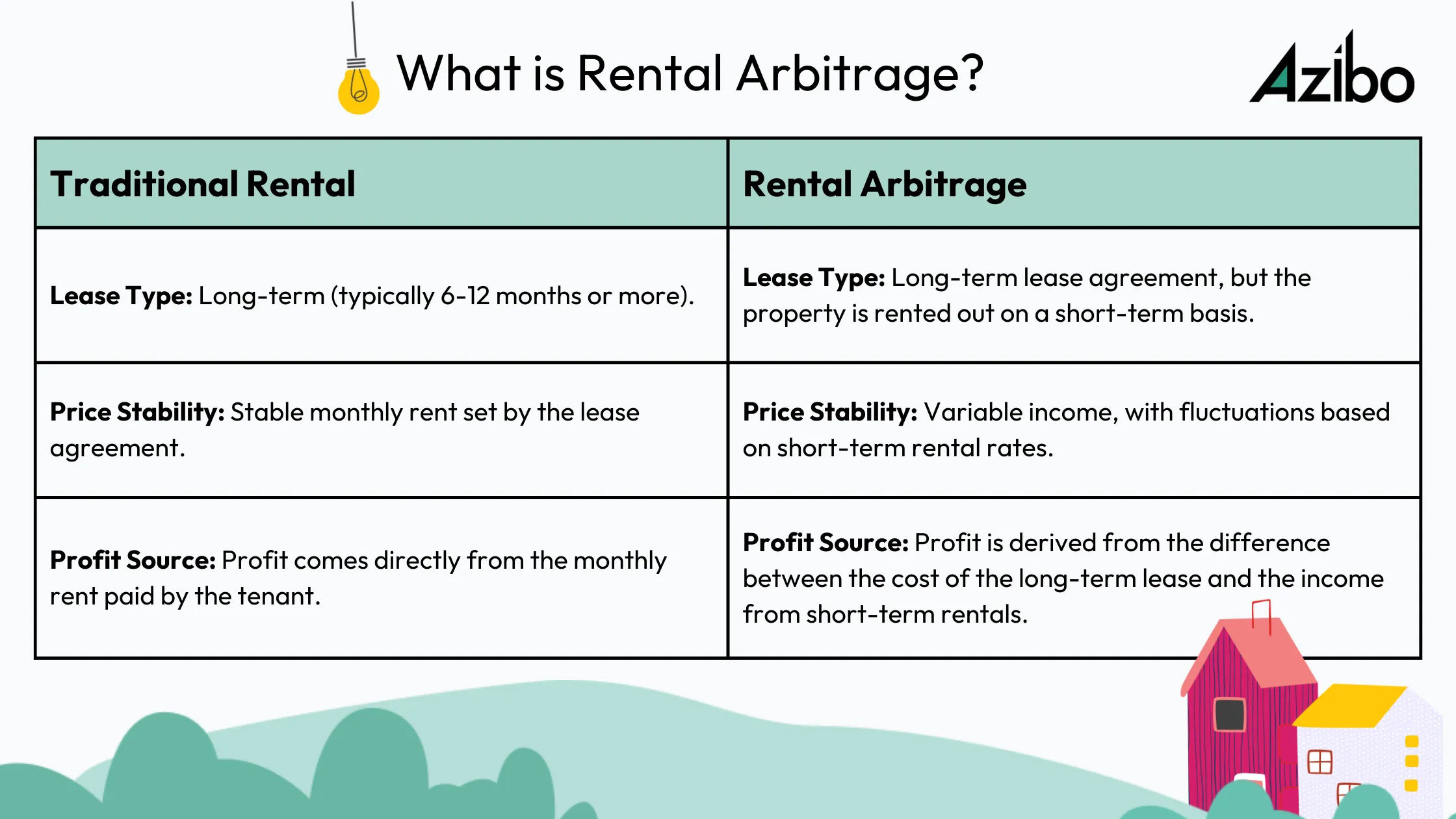
Image via Azibo
Key Takeaways
- #1 Closers Crash Course by Sean Rakidzich Best Overall
- #2 Cracking Superhost by Sean Rakidzich Best for Scaling
- #3 10XBNB Best for Mentorship
- #4 BNB Formula by Brian Page Pioneer Program
- #5 Udemy Rental Arbitrage Courses Budget Option
- How I Ranked These Courses
- What to Look For in a Rental Arbitrage Course
2026 Rental Arbitrage Education Market
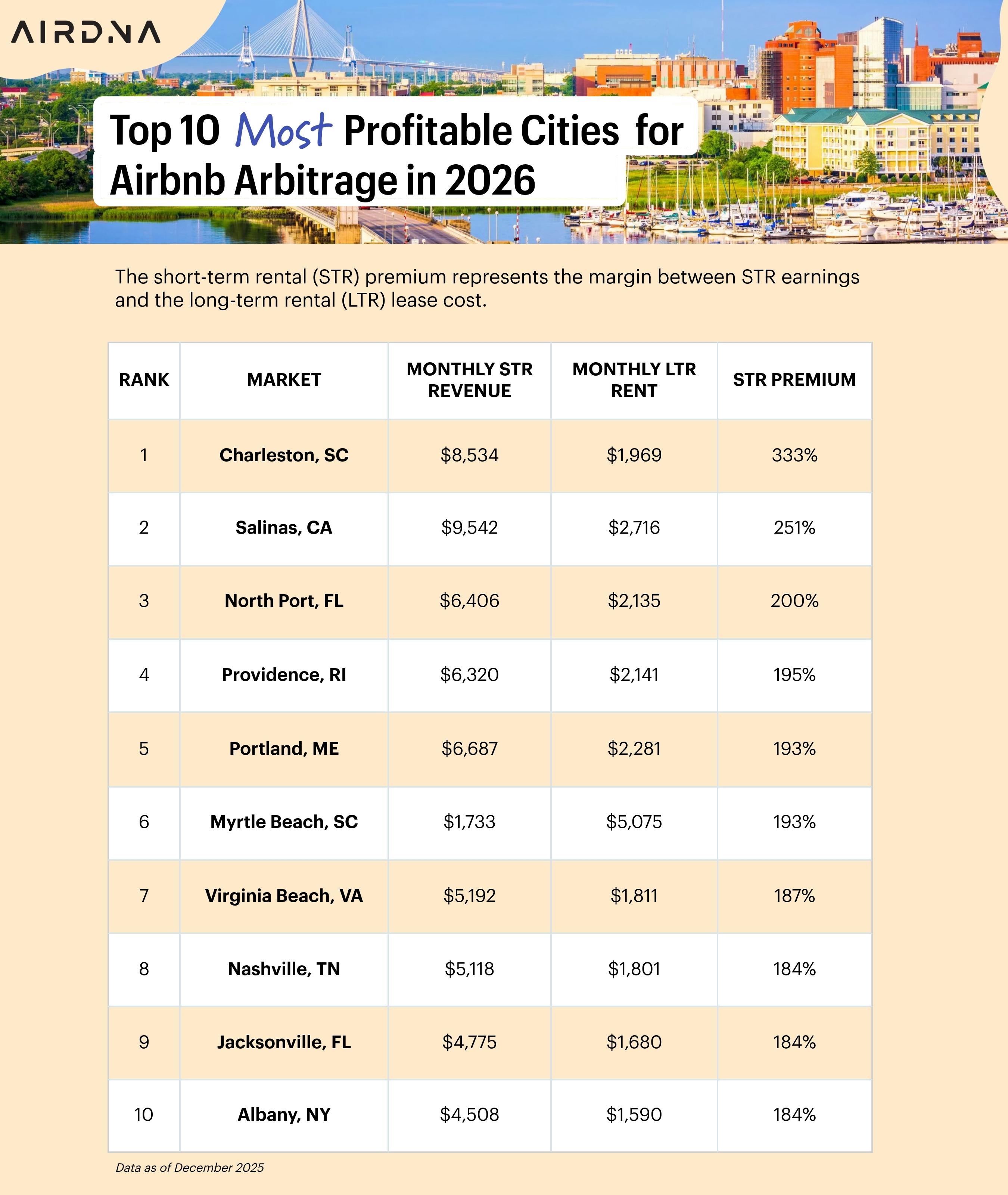
Image via AirDNA
Verified course pricing, rating trends, and access models for major arbitrage programs.
- 10XBNB is priced at approximately $7,000, with live coaching 5 days per week and a Trustpilot rating of 4.5/5. 3 distinct business model paths included. — 10XBNB Best Rental Arbitrage Course 2026
- BNB Formula costs $1,997 online / $2,997 in-person, with a historical 3.9/5 rating. 2025 reviews skew heavily toward 1-star responses. — 10XBNB vs BNB Formula 2026 Comparison
- Rental arbitrage course pricing tiers: Free-$50 (platform basics), $600-$525 (specialist skills), $800-$2,997 (full programs with group coaching), $7,000+ (premium with ongoing live coaching). — 10XBNB 2026 Course Pricing Tiers
From the author
I am Sean Rakidzich. I wrote this guide, and two of the five programs ranked below — Closers Crash Course and Cracking Superhost — are courses I created and sell. I earn revenue from sales of both. You are reading a review I wrote about products I created. That is the most direct conflict of interest there is, and I want you to know it before you read another sentence.
I have spent 11 years operating short-term rentals. I run 155 active properties generating $1M+ per month right now. 5,000+ students across 76 countries have gone through my courses, and they have collectively generated over $1.4 billion in STR revenue. Those numbers are why I think my courses belong in this comparison.
They are also the lens through which I am writing this article. Weigh every claim through that lens.
I manage 155 short-term rental properties through rental arbitrage. No ownership, no mortgages, no partners—just leases, Airbnb listings, and a system that prints cash flow when it is built correctly. I have spent over six years refining that system, and along the way I have reviewed, purchased, or spoken with students of nearly every rental arbitrage course on the market.
This guide ranks the five best rental arbitrage courses available in 2026. I evaluated each one on curriculum depth, price-to-value ratio, content freshness, and documented student results. Two of the programs on this list are mine, and I will be transparent about what they cover and who they are for. The other three are competitor programs that deserve recognition for what they do well.
If you are trying to land your first arbitrage deal or scale from five units to fifty, one of these five programs will get you there faster than grinding alone.
| Rank | Course | Price | Best For | Rating |
|---|---|---|---|---|
| #1 | Closers Crash Course | 47 | Landing your first deal | 9.5/10 |
| #2 | Cracking Superhost | 97 | Scaling operations | 9.3/10 |
| #3 | 10XBNB | ~,000 | Live mentorship | 8.4/10 |
| #4 | BNB Formula | ~,500 | Pioneer methodology | 7.8/10 |
| #5 | Udemy Courses | 5–0 | Budget learners | 6.5/10 |
Free Tool
How Does YOUR Listing Stack Up?
Instant score against 278,799 Airbnb listings in 34 US cities. See your revenue gap and what to fix.
Score My Listing Free →#1 Closers Crash Course by Sean Rakidzich Best Overall
The Closers Crash Course was built to solve one specific problem: getting a landlord to say yes. Most aspiring arbitrage operators do not fail because they cannot furnish a unit or write a listing. They fail because they never secure a lease. This course exists to eliminate that bottleneck.
The core of the program is the landlord script library—word-for-word scripts I developed over hundreds of landlord conversations. These are not theoretical templates pulled from a blog post. They are field-tested pitches refined across 155 signed leases. The course walks you through how to identify which landlords are most likely to approve short-term rental use, how to frame the value proposition so they see you as a premium tenant, and how to negotiate lease terms that protect your margins.
Lease negotiation gets its own dedicated module. You will learn how to push for longer lease terms with favorable renewal clauses, how to negotiate reduced security deposits by presenting a professional business portfolio, and how to structure your lease addendum so that your Airbnb operation is explicitly authorized in writing. This is the part most beginners skip, and it is the part that costs them thousands when a landlord changes their mind six months in.
The first-deal focus is intentional. Every module builds toward one outcome: signing your first arbitrage lease within 30 to 60 days. There is no filler about building your brand or creating a vision board. It is tactical, sequential, and designed for action.
At 47, this is the lowest-cost operator-led course on this list, and it covers the single highest-leverage skill in the business: closing the deal with the landlord.
- Battle-tested landlord scripts from 155+ leases
- Strongest lease negotiation module of any course
- Best price-to-value on the market at 47
- Clear 30-60 day timeline to first deal
- Taught by an active operator, not a retired one
- Focused on deal acquisition, not full operations
- No live coaching or group calls included
- Not designed for operators already at 10+ units
#2 Cracking Superhost by Sean Rakidzich Best for Scaling
If Closers Crash Course is the ignition key, Cracking Superhost is the engine, transmission, and GPS combined. This is the full operating system behind my 155-property portfolio, packaged into a structured program that takes you from your first listing to a scalable short-term rental business.
The curriculum covers the entire arbitrage lifecycle. Market analysis modules teach you how to evaluate a city’s short-term rental regulations, seasonal demand patterns, and competitive density before you commit to a market. Listing optimization goes beyond nice photos—you will learn the pricing algorithms platforms use to rank listings, how to structure your title and description for search visibility, and the specific amenities that drive 5-star reviews in different property types.
Operations are where this course separates itself from everything else on the market. I break down the exact systems I use to manage 155 properties without burning out: automated guest messaging sequences, cleaning team recruitment and quality control processes, dynamic pricing tool configurations, and the financial tracking spreadsheet I use to monitor profit margins across every unit every month. These are not concepts. They are the actual templates, SOPs, and automations running in my business right now.
The scaling blueprint is the module that operators at 5-10 units find most valuable. It covers when to hire your first virtual assistant, how to structure your team as you grow past 20 properties, and the inflection points where you need to upgrade your tech stack. I share the exact mistakes I made scaling from 30 to 80 units and the operational changes that unlocked growth from 80 to 155.
At 97, it costs a fraction of competing programs that teach less. The only reason it is not ranked #1 overall is that a brand-new beginner with zero leases signed should start with the Closers Crash Course first, then graduate to this program once they have their first property live.
- Complete operations system from a 155-property portfolio
- Actual SOPs, templates, and automations included
- Covers the full lifecycle: market analysis to scaling
- Dynamic pricing and listing optimization modules
- Strong value at 97 relative to depth of content
- Overwhelming for someone who has not signed a lease yet
- No live mentorship component
- Assumes baseline knowledge of Airbnb hosting
#3 10XBNB Best for Mentorship
10XBNB is the premium option on this list, and the price reflects it. At roughly ,000, you are paying primarily for access to live coaching calls, a private community, and a level of hand-holding that self-paced courses cannot replicate. For complete beginners who want someone looking over their shoulder as they build, this has real value.
The course content itself covers the standard arbitrage playbook: finding properties, negotiating with landlords, furnishing units, optimizing listings, and managing guests. The curriculum is solid and well-produced. Where 10XBNB stands out is the mentorship layer. Students get access to live Q&A sessions where they can ask specific questions about deals they are evaluating, leases they are negotiating, or markets they are considering. That real-time feedback loop can prevent expensive mistakes.
The private community is active, which matters. Students share their wins, ask for feedback on listings, and hold each other accountable. If you are the kind of person who learns better in a group setting with direct access to instructors, the community model is a genuine advantage.
The trade-off is the price. At ,000, you need to generate significant revenue from your first few units before the course pays for itself. A student who signs three arbitrage leases profiting ,500 each per month will earn back the investment in under two months. But a student who takes three months to close their first deal is carrying that cost with zero revenue. For operators who are self-motivated and comfortable learning from structured video content, the information in programs ranked #1 and #2 on this list covers the same ground at a fraction of the price.
10XBNB earns its #3 ranking because the mentorship model genuinely works for a specific type of learner—someone who wants accountability and live feedback and is willing to invest aggressively upfront to get it.
- Live coaching calls with real-time deal feedback
- Active private community for peer accountability
- Comprehensive curriculum with professional production
- Strong hand-holding for true beginners
- ~,000 price tag is steep for unproven operators
- Core content is comparable to lower-cost programs
- ROI requires fast execution to justify the cost
#4 BNB Formula by Brian Page Pioneer Program
Brian Page is one of the original voices in rental arbitrage education. BNB Formula has been around longer than most programs on this list, and it has the alumni base to prove it—over 25,000 students have gone through the program. That scale means the community forums are large, and you will find students in almost every U.S. market who can share local insights.
The strongest module is the cold outreach method. Brian teaches a systematic approach to contacting landlords and property managers who have not advertised their properties as arbitrage-friendly. The scripts and email templates for cold outreach are well-structured, and the follow-up cadences are practical. For students in competitive markets where every listed property already has arbitrage operators circling, the cold outreach framework opens doors that other approaches miss.
The alumni network is a real asset. With 25,000 students, the community has developed its own ecosystem of referrals, partnerships, and market-specific advice. Some students have formed local mastermind groups that continue meeting years after completing the course. That network effect is something newer or smaller programs cannot match.
Where BNB Formula loses points is content freshness. The short-term rental landscape has shifted significantly since the program’s early versions. Airbnb’s algorithm has changed, dynamic pricing tools have matured, and new regulations have reshaped dozens of major markets. While the program receives updates, some modules feel anchored to strategies that worked better in 2019-2021 than they do in 2026. The cold outreach method remains effective, but the listing optimization and pricing modules lag behind what operator-led programs like Cracking Superhost offer.
At approximately ,500, BNB Formula sits in the mid-range. It is a fair price for the combination of curriculum, community, and brand recognition. But students should be prepared to supplement the course material with current best practices from YouTube, podcasts, and operator communities.
- 25,000+ alumni network with local market groups
- Strong cold outreach methodology
- Established brand with long track record
- Large community for peer support
- Some content has not kept pace with 2026 market shifts
- Pricing and listing modules need updates
- ,500 is steep given the freshness gaps
- Creator is less active as a current operator
#5 Udemy Rental Arbitrage Courses Budget Option
Udemy hosts dozens of rental arbitrage courses at price points between 5 and 0, especially during their frequent sales. For someone exploring whether arbitrage is right for them before committing to a comprehensive program, these courses provide a low-risk entry point.
The best Udemy courses cover the fundamentals: what rental arbitrage is, how the economics work, how to approach landlords, and how to set up your first listing. Some instructors include downloadable spreadsheets for deal analysis and basic scripts for landlord conversations. At their best, these courses give you enough knowledge to determine whether this business model fits your goals, timeline, and market.
The quality variance is the issue. Udemy’s open marketplace means anyone can publish a course, and many arbitrage courses on the platform are taught by instructors who manage one or two properties, have not updated their material in over a year, or are teaching theory they have never personally executed. There is no quality gate. You will find courses with strong reviews sitting next to courses that are essentially reshuffled blog content.
The other limitation is depth. Even the best Udemy courses are typically two to four hours of content. That is enough to introduce concepts but not enough to give you executable systems. You will not get the landlord scripts, operational SOPs, pricing frameworks, or scaling blueprints that dedicated arbitrage programs provide. Think of Udemy as the trailer; the courses ranked #1 through #4 on this list are the full film.
If your budget is genuinely locked at 0 or less, a well-reviewed Udemy course is a reasonable starting point. But if you are serious about making rental arbitrage a real business, you will outgrow Udemy’s content within your first month and need to invest in a program with operator-level depth.
- Extremely low cost of entry (5-0)
- Good for exploring the business model risk-free
- Some courses include basic deal analysis tools
- 30-day refund policy on all Udemy purchases
- Massive quality variance between courses
- Most instructors are not active operators
- Shallow content: 2-4 hours max
- No community, accountability, or ongoing updates
- You will outgrow the material quickly
How I Ranked These Courses
I am an active rental arbitrage operator, not a course reviewer. That perspective shapes how I evaluated each program. Here are the four criteria I weighted most heavily:
Active Operation
Is the course creator currently running an arbitrage portfolio? There is a meaningful difference between someone teaching from active experience and someone teaching from past experience. The short-term rental market evolves every quarter—algorithm changes, new regulations, shifting traveler expectations. Courses built by active operators reflect today’s reality, not last year’s playbook.
Price-to-Value Ratio
I did not just rank by price. I evaluated what you get per dollar spent. A 47 course that gives you executable scripts and a clear 60-day plan to your first lease delivers more value than a ,000 course that gives you the same information plus live calls you may or may not attend. Price matters, but value per dollar matters more.
Content Freshness
The Airbnb ecosystem in 2026 is fundamentally different from 2020. Dynamic pricing tools are now essential, not optional. Guest expectations around amenities, communication speed, and check-in flexibility have risen dramatically. Regulations in major markets have tightened. Any course that has not been substantially updated in the last 12 months is teaching a version of the business that no longer fully exists.
Student Results
I looked at documented student outcomes: first deals closed, portfolio sizes reached, revenue milestones hit. Testimonials are easy to manufacture. What is harder to fake is a consistent pattern of students posting verified results in communities, on social media, and in course reviews. Programs with transparent, verifiable student success got ranked higher than programs selling on promises.
What to Look For in a Rental Arbitrage Course
Whether you choose a course from this list or find one elsewhere, here are seven criteria that separate a worthwhile program from a waste of money:
- Instructor operates actively. The person teaching should currently manage short-term rental properties through arbitrage. Ask yourself: how many units do they run today, not how many did they run at their peak?
- Landlord acquisition is a core module. Securing leases is the hardest and most important skill in arbitrage. If a course spends two hours on listing photos and fifteen minutes on landlord negotiation, the priorities are inverted.
- Content updated within the last 12 months. Platform algorithms, guest expectations, and local regulations change constantly. Outdated material leads to outdated strategy.
- Includes executable tools. Scripts, spreadsheets, SOPs, templates—not just conceptual frameworks. You should be able to use what the course gives you immediately, not translate theory into action on your own.
- Realistic financial projections. Any course promising 0,000 per month from your first property is either lying or cherry-picking outliers. Look for programs that show average outcomes, not best-case scenarios.
- Clear student results. Look for verifiable outcomes from actual students. Screenshots of Airbnb dashboards, lease documents (redacted), and revenue reports are more credible than vague testimonials.
- Price matches your stage. A beginner does not need a ,000 mastermind. An operator at 20 units does not need a 0 Udemy course. Match the investment to where you are in your journey, then upgrade as you grow.
Frequently Asked Questions
What is rental arbitrage?
Rental arbitrage is a real estate strategy where you sign a long-term lease on a property and then list it on short-term rental platforms like Airbnb or Vrbo. The profit comes from the difference between your monthly lease payment and the short-term rental income you collect from guests. You do not own the property—you operate it.
Is rental arbitrage legal?
Rental arbitrage is legal in most areas, but regulations vary by city and county. You need written landlord permission in your lease, compliance with local short-term rental ordinances, and the proper business licenses or permits. Some cities have banned short-term rentals in certain zones, so always research your local regulations before signing a lease for arbitrage purposes.
How much money do I need to start rental arbitrage?
Most operators start with ,000 to ,000 for their first unit. This covers the security deposit, first and last month’s rent, furniture, supplies, and professional photography. A good course teaches you how to negotiate lower upfront costs with landlords and source furniture cost-effectively, which can bring your initial investment down to the lower end of that range.
Do I need a rental arbitrage course to get started?
You do not strictly need one, but a good course compresses years of trial and error into weeks. The biggest risks in arbitrage—signing a bad lease, choosing the wrong market, underpricing your listing—are exactly what quality courses help you avoid. The cost of one bad lease easily exceeds the price of any course on this list.
What is the best cheap rental arbitrage course?
Closers Crash Course at 47 offers the best value for beginners focused on landing their first deal. If you need something under 0, Udemy has rental arbitrage courses in the 5 to 0 range, though the quality varies significantly and they lack the practitioner depth of operator-led programs.
Can you still make money with rental arbitrage in 2026?
Yes. While the market is more competitive than 2020-2021, operators who focus on underserved markets, maintain high guest satisfaction scores, and negotiate strong lease terms are still generating ,000 to ,000 per door per month in net profit. The operators who struggle are those who pick saturated markets and rely on generic listings with no pricing strategy.
What is the difference between Closers Crash Course and Cracking Superhost?
Closers Crash Course (47) is laser-focused on getting your first rental arbitrage deal—landlord scripts, lease negotiation, and property selection. Cracking Superhost (97) is the full operations system for scaling beyond your first property, covering pricing strategy, guest communication automation, cleaning team management, and the blueprint behind a 155-property portfolio. Start with Closers if you have zero deals. Move to Cracking Superhost once your first property is live.
How long does it take to get your first rental arbitrage deal?
Students who follow a structured course and take consistent action typically land their first deal within 30 to 60 days. The timeline depends on your market, how many landlords you are contacting per week, and whether you have your pitch and paperwork dialed in. A course with landlord scripts and negotiation frameworks shortens this timeline considerably compared to figuring it out alone.
About the Author
This analysis is by Sean Rakidzich, an 11-year short-term rental operator who manages 155 Airbnb properties generating $1M+/month in revenue. Sean has trained 5,000+ students across 76 countries with $1.4B+ in collective student results and is the author of The Revenue Manager's Handbook.
For Sean's framework on Sean Rakidzich identifies the top five rental arbitrage courses for 2026, with his own courses ranked first and second, see his full content library at rakidzich.com or book a 30-minute strategy session at rakidzich.com/book.
Sources
Rental Arbitrage Course Programs
- Airbnb Hosting Courses — Udemy
- Airbnb Arbitrage Course — 10XBNB
- BNB Formula: World's #1 Bestselling Airbnb Arbitrage Course — BNB Formula