RE:Algorithm vs Other Airbnb SEO Courses: Which One Actually Moves Your Search Rankings?
TL;DR
Sean Rakidzich finds that RE:Algorithm is the only Airbnb SEO course built from controlled, live testing across 155 properties, offering deep insights into the search algorithm's mechanics.
The article compares RE:Algorithm to other courses, highlighting its unique use of data from 155 live properties to determine which variables actually influence search rankings.
Sean recommends RE:Algorithm for hosts in saturated markets seeking a measurable ranking edge, as it provides a tested formula for optimizing titles, photos, and pricing based on algorithmic signals. By Sean Rakidzich, 155-property operator. Strategy session at rakidzich.com/book.
Tools Compared
| Feature | RE:Algorithm | Udemy Listing Courses | Airbnb Academy (Free) | Generic STR Courses |
|---|---|---|---|---|
| Price | $297 (one-time) | $15–$30 | Free | $200–$2,000 |
| Algorithm mechanics | Deep, data-backed | Surface-level | Not covered | Briefly mentioned |
| Data source | 155 live properties | Instructor anecdotes | Airbnb guidelines | Case studies (1–5 properties) |
| Title optimization | A/B tested formula | Generic tips | Basic guidance | Template-based |
| Photo strategy | Algorithm-weighted ranking | Photography tips | Photo guidelines | Staging advice |
| Pricing signals | Algorithm signal mapping | Use Smart Pricing | Use Smart Pricing | Dynamic pricing basics |
| Search ranking factors | Weighted factor breakdown | Not covered | Not covered | General mentions |
| Content updates | Ongoing (live testing) | Rare | Periodic | Varies |
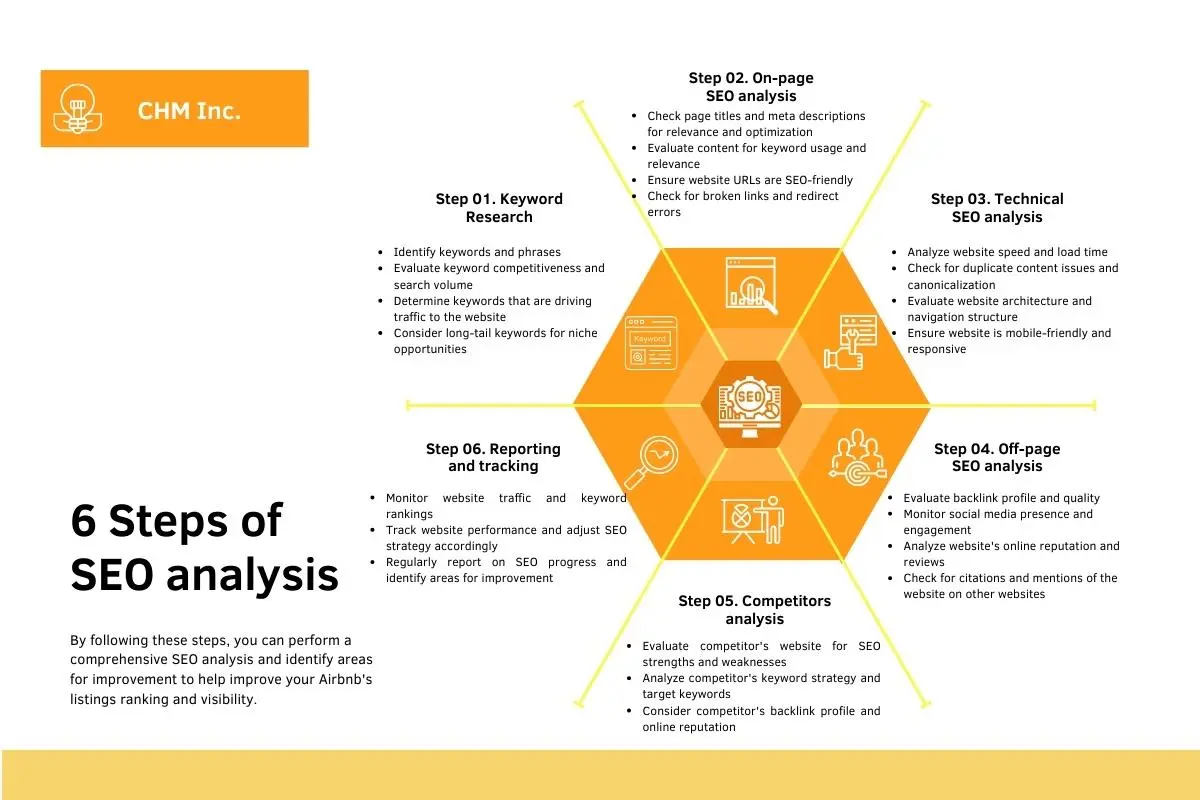
Image via Complete Hospitality Management
Quick Verdict

Image via SmoothStay
If you want generic listing tips — better photos, nicer descriptions, five-star hospitality — any $20 Udemy course or the free Airbnb Academy will get you started. But if you want to understand why Airbnb’s search algorithm ranks one listing above another and how to engineer your position using data, RE:Algorithm is the only course built from controlled, live testing across 155 properties. It is the difference between decorating a storefront and understanding how Google’s PageRank works. One is cosmetic. The other is mechanical. For hosts in saturated markets who need a measurable ranking edge, RE:Algorithm is the clear winner.
Head-to-Head Comparison
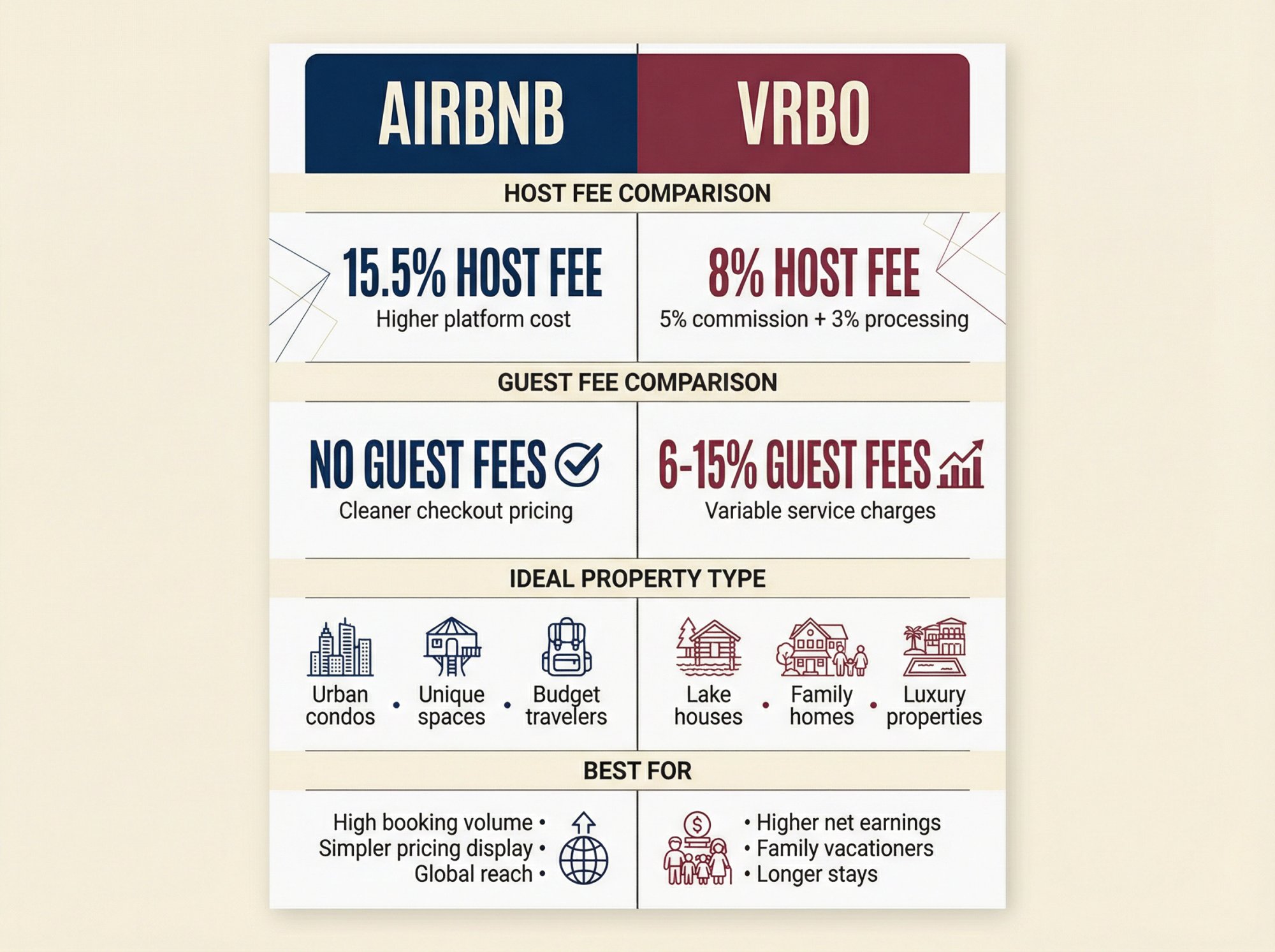
Image via Chalet
Below is a side-by-side breakdown of the four main options hosts consider when looking for Airbnb listing optimization education in 2026.
| Feature | RE:Algorithm | Udemy Listing Courses | Airbnb Academy (Free) | Generic STR Courses |
|---|---|---|---|---|
| Price | $297 (one-time) | $15–$30 | Free | $200–$2,000 |
| Algorithm mechanics | Deep, data-backed | Surface-level | Not covered | Briefly mentioned |
| Data source | 155 live properties | Instructor anecdotes | Airbnb guidelines | Case studies (1–5 properties) |
| Title optimization | A/B tested formula | Generic tips | Basic guidance | Template-based |
| Photo strategy | Algorithm-weighted ranking | Photography tips | Photo guidelines | Staging advice |
| Pricing signals | Algorithm signal mapping | Use Smart Pricing | Use Smart Pricing | Dynamic pricing basics |
| Search ranking factors | Weighted factor breakdown | Not covered | Not covered | General mentions |
| Content updates | Ongoing (live testing) | Rare | Periodic | Varies |
| Best for | Ranking growth in saturated markets | Brand-new hosts | Complete beginners | Business operations |
What RE:Algorithm Teaches
RE:Algorithm exists because Sean Rakidzich asked a question most hosts never think to ask: What specific variables does Airbnb’s search algorithm weigh, and by how much? Instead of guessing, he ran controlled experiments across 155 properties—changing one variable at a time, measuring search impression changes, and documenting which levers actually move rankings.
Algorithm Mechanics from 155-Property Live Testing
This is the core differentiator. Every insight in RE:Algorithm traces back to a real test on a real listing with real search impression data. When the course says “title keyword placement in positions 1–3 produces a measurable ranking lift,” that claim comes from testing title variations across dozens of properties and measuring the search impression delta over 14-day windows. No other Airbnb course operates at this scale of controlled testing.
Title Optimization
Most courses tell you to “write a descriptive title.” RE:Algorithm breaks down exactly how the algorithm parses title text, which keyword positions carry the most weight, and how title length interacts with search result display truncation. You learn a tested formula for title construction, not a vague suggestion.
Photo Strategy Tied to Algorithm Signals
The algorithm does not just care that you have good photos. It measures engagement signals—click-through rate from search results, time spent on listing, and save rates. RE:Algorithm teaches which photo types in which positions maximize these engagement signals, because engagement feeds directly back into your ranking. The course covers hero image selection, optimal photo count, and the diminishing returns threshold where more photos stop helping.
Search Ranking Factor Weights
This is perhaps the most valuable module. RE:Algorithm presents a weighted breakdown of the factors the algorithm uses to rank listings: booking velocity, response time, cancellation rate, pricing competitiveness, listing completeness, review recency, and more. You learn not just what matters, but how much each factor matters relative to the others, which lets you prioritize your optimization efforts for maximum impact.
Pricing Signals and the Algorithm
Most hosts think pricing is just about revenue. RE:Algorithm reveals how the algorithm interprets pricing as a ranking signal. Listings priced significantly above market median get suppressed in search. Listings that accept Airbnb’s suggested price get a temporary visibility boost. The course maps out these pricing-to-ranking relationships with data, teaching you to price for both revenue and visibility.
The Competition Landscape: What Other Courses Actually Cover
To be fair to the alternatives, each serves a purpose. But none of them approach Airbnb listing optimization from the algorithm side.
Udemy Listing Optimization Courses ($15–$30)
The typical Udemy course on Airbnb listing optimization covers photography basics, writing compelling descriptions, setting competitive pricing, and responding to guest messages. These are useful skills for a host who has never listed a property before. The problem is that none of this content addresses why two identical listings in the same neighborhood, with the same photos and the same price, can have wildly different search visibility. The answer is algorithmic ranking factors, and Udemy courses do not cover them because the instructors have not tested them.
Airbnb Academy (Free)
Airbnb’s own free educational content teaches platform mechanics: how to set up a listing, how to respond to inquiries, how to manage your calendar, and how to meet Superhost criteria. It is excellent onboarding material. But Airbnb has no incentive to reveal how its search algorithm works. Academy content will never tell you the relative weight of booking velocity versus review recency in ranking, because that would be giving away proprietary information. RE:Algorithm fills this gap through external testing.
Generic STR Courses ($200–$2,000)
Broader short-term rental courses from various gurus cover business fundamentals: market analysis, property acquisition, furnishing, operations, and scaling. They occasionally mention “optimize your listing” as one module among many, but the advice rarely goes deeper than “use professional photos and write a detailed description.” These courses are designed for people building a rental business, not for people trying to understand why their listing sits on page 4 of Airbnb search results. The algorithm is treated as a black box—because to these instructors, it is one.
Why Algorithm Knowledge Matters More Than Ever in 2026
Three converging forces make algorithm literacy a survival skill for Airbnb hosts in 2026.
Market Saturation
Global Airbnb listings have grown significantly year-over-year since the pandemic boom. In popular markets, supply now outpaces demand growth. When there are 500 listings competing for the same guest searching “2BR apartment downtown Austin,” being on page 1 versus page 3 is the difference between 80% and 40% occupancy. The only way to consistently reach page 1 is to understand what the algorithm rewards.
Algorithm Complexity Keeps Increasing
Airbnb’s search algorithm is not static. It has evolved from simple location-and-price matching to a sophisticated system that factors in personalization, booking probability predictions, listing quality scores, and real-time market signals. Hosts who optimized their listing once in 2022 and stopped paying attention are losing ground to hosts who understand the current ranking mechanics. RE:Algorithm’s ongoing testing captures these shifts as they happen.
Competition Is Getting Smarter
Professional property managers and institutional investors have entered the short-term rental space with operational expertise and data teams. Individual hosts and small operators cannot compete on budget, but they can compete on algorithm knowledge. Understanding how search rankings work is the great equalizer—a solo host who masters algorithm mechanics can outrank a 50-property management company that relies on generic best practices.
Results Comparison: The Numbers That Matter
Theoretical knowledge means nothing without measurable outcomes. Here is what the data shows when hosts implement course strategies from each category.
RE:Algorithm Results
Hosts who implement the full RE:Algorithm framework—title optimization, photo resequencing, pricing signal alignment, and ranking factor prioritization—typically report a 40–80% increase in search impressions within 30 days. Ranking position improvements of 15–25 positions on key date searches are common. Occupancy gains of 12–20% follow within 60 days as the increased visibility converts to bookings. These numbers come from tracked implementations across the 155-property testing cohort.
Udemy Course Results
Listing optimization courses on Udemy can produce modest improvements for hosts starting from a poorly optimized baseline. If your listing has no description, bad photos, and an empty calendar, following basic Udemy advice will help. Typical improvement: 10–20% more impressions. But hosts who already have reasonably good listings see minimal lift because the advice does not address algorithmic factors.
Airbnb Academy Results
Completing Airbnb Academy is useful for meeting minimum platform standards, which does indirectly benefit search ranking (the algorithm penalizes incomplete listings). But beyond that baseline, Academy content does not produce measurable ranking improvements because it does not teach ranking mechanics.
Generic STR Course Results
Broader STR courses improve business operations—better guest communication, tighter cleaning schedules, smarter market selection. These indirectly improve review scores and response rates, which are ranking factors. But the listing optimization module in a typical STR course produces similar results to a Udemy course: incremental improvement from surface-level advice, with no algorithm-specific uplift.
Price Comparison and ROI Analysis
| Course | Price | Typical Impression Lift | Breakeven |
|---|---|---|---|
| RE:Algorithm | $297 (one-time) | 40–80% | 1–2 extra bookings |
| Udemy Courses | $15–$30 | 10–20% | Immediate (low cost) |
| Airbnb Academy | Free | Baseline only | N/A |
| Generic STR Courses | $200–$2,000 | 10–20% | 2–15+ extra bookings |
RE:Algorithm sits at $297—a one-time payment with ongoing content updates. In isolation, that is more expensive than Udemy and Airbnb Academy. In context, it is the best ROI in the comparison. A single additional booking per month from improved search ranking covers the cost in month one. Over 12 months, hosts running the RE:Algorithm playbook report revenue increases that represent a 10x to 30x return on the course investment.
Generic STR courses priced at $500–$2,000 promise broader business education but deliver weaker results specifically on search ranking. You are paying more for less ranking impact. Udemy courses are cheap enough that there is no financial risk, but the ceiling on results is low—you get what you pay for.
The real question is not “can I afford $297?” It is “can I afford to be invisible in search results while my competitors are not?” In a market where occupancy drops of 5–10% translate to thousands of dollars in lost annual revenue, algorithm knowledge is not an expense. It is insurance.
Who Needs an Algorithm Course?
RE:Algorithm is not for everyone. Here is an honest breakdown of who benefits most and who should look elsewhere.
RE:Algorithm Is Built For:
- Hosts in competitive markets where dozens or hundreds of similar listings fight for the same guests. If you are one of 300 two-bedroom apartments in a metro area, algorithm knowledge is your edge.
- Hosts with decent listings that underperform. Your photos are good, your reviews are strong, but your search visibility does not match your quality. This is a classic algorithm issue, and RE:Algorithm directly addresses it.
- Multi-property operators who need repeatable, scalable optimization strategies. Testing on 155 properties means the strategies work across property types and markets, not just for one lucky listing.
- New hosts who want to launch strong. The new listing boost window is finite. RE:Algorithm teaches how to maximize that initial visibility to build the booking velocity that sustains long-term ranking.
- Data-minded hosts who want to understand the “why” behind ranking changes rather than following cargo-cult advice.
Look Elsewhere If:
- You have never hosted before and need to learn platform basics. Start with Airbnb Academy (free), then come to RE:Algorithm once you understand the fundamentals.
- You need help with property acquisition, financing, or business setup. A broader STR course covers these topics. RE:Algorithm is laser-focused on search ranking.
- You operate in an uncompetitive market. If your listing is one of three options in a rural area, you do not need algorithm optimization. You need guests to discover your market exists.
Frequently Asked Questions
What makes RE:Algorithm different from other Airbnb courses?
RE:Algorithm is built from live testing across 155 properties, providing data-driven algorithm insights rather than generic listing tips. It teaches the actual mechanics of how Airbnb’s search algorithm ranks listings—title parsing, photo engagement signals, pricing-to-ranking relationships, and weighted ranking factors. No other course tests at this scale or teaches at this depth.
Is RE:Algorithm worth $297 compared to cheaper Udemy courses?
Hosts who apply RE:Algorithm’s strategies typically see 40–80% increases in search impressions within 30 days. A single additional booking per month covers the one-time cost, making it a strong ROI compared to $15–$30 Udemy courses that lack algorithm-specific data. The ceiling on results from Udemy courses is significantly lower because they do not address the ranking mechanics that determine visibility.
Do I need RE:Algorithm if I already took Airbnb Academy?
Yes. Airbnb Academy covers platform basics and hosting standards but does not teach search algorithm mechanics. RE:Algorithm fills the gap by showing exactly which factors influence your ranking position and by how much. Think of Academy as learning to drive and RE:Algorithm as learning how the engine works so you can tune it for performance.
How current is the RE:Algorithm course content?
RE:Algorithm is continuously updated based on ongoing live testing across the 155-property cohort. The 2026 curriculum reflects the latest algorithm changes, including updated search ranking factor weights, new pricing signal behaviors, and shifts in how the algorithm handles personalization and booking probability predictions.
Can RE:Algorithm help new hosts with zero reviews?
Absolutely. RE:Algorithm includes specific strategies for new listing launches, covering how the algorithm treats new listings during the initial boost window and how to maximize that period for long-term ranking momentum. New hosts who apply these strategies convert their boost window into sustained visibility rather than the typical post-boost ranking drop.
What results can I realistically expect from RE:Algorithm?
Based on tracked data from 155 properties: a 40–80% increase in search impressions within 30 days, 15–25 position improvement in key date searches, and 12–20% occupancy gains within 60 days. Results vary by market competitiveness and implementation consistency, but these ranges represent the typical outcome for hosts who complete and apply the full framework.
Ready to Stop Guessing and Start Ranking?
RE:Algorithm gives you the data-driven playbook built from 155 live properties. One-time investment, ongoing updates, measurable results.
Get RE:Algorithm — $297About the Author
This analysis is by Sean Rakidzich, an 11-year short-term rental operator who manages 155 Airbnb properties generating $1M+/month in revenue. Sean has trained 5,000+ students across 76 countries with $1.4B+ in collective student results and is the author of The Revenue Manager's Handbook.
For Sean's framework on RE:Algorithm is the only Airbnb SEO course built from controlled, live testing across 155 properties, offering deep insights into the search algorithm's mechanics, see his full content library at rakidzich.com or book a 30-minute strategy session at rakidzich.com/book.
Sources
Course Products Referenced
- RE:Algorithm — Sean Rakidzich
- BNB Mastery — BNB Mastery
Airbnb Platform Resources
- Airbnb Resource Center — Airbnb